Why Some Engagement Rings Feel “Right” Instantly (Singapore Guide)
Some engagement rings feel “right” the moment you slip them on—before you have even processed the carat size, sparkle, or setting style. At Diamond Ateliers, we see this often with trust-shopping clients in Singapore. They may walk in unsure of what they want, but the moment a ring is on their finger, they know.
That reaction is not emotional luck or intuition alone. It is the result of deliberate design decisions working together: proportion, lift height, prong scale, and balance on the hand. When these elements are engineered correctly, the ring feels stable, comfortable, and visually natural from the first second. In this guide, we explain why some engagement rings feel right instantly—and how that feeling is designed, not guessed.
What makes an engagement ring feel “right” instantly?
An engagement ring feels right when your eye and your hand agree at the same time. Visually, the ring looks harmonious with your finger. Physically, it feels centred, secure, and unobtrusive.
There is no urge to twist it back into place, no sense that it might catch on clothing, and no visual tension between the diamond and the band. This alignment only happens when the ring is designed for real wear, not just for photos or CAD renders.
1. Proportion: how the diamond relates to your finger
Proportion is one of the most misunderstood aspects of engagement ring design. It is not about carat weight alone. Two diamonds of the same carat can feel completely different depending on their face-up spread, the width of the band, and how the shoulders transition into the setting.
Clients often confuse size with suitability. Understanding how different diamond shapes and cuts present visually can help clarify why certain rings feel more natural on the hand. For deeper context, see our guide on diamond shapes and visual proportion.
Common proportion mistakes
- Band too thin for the centre stone: the diamond can look oversized and feel visually unstable.
- Weak shoulder transition: when the band does not taper cleanly into the setting, the ring feels assembled rather than cohesive.
- Visual overhang: if the diamond extends too far across the finger, it may photograph well but feel awkward in daily wear.
At Diamond Ateliers, proportion is always assessed on the hand. Finger width, length, and overall hand shape matter more than generic “ideal” ratios. This is why two rings with identical specifications on paper can feel completely different once worn.
2. Lift height: the quiet difference between elegance and discomfort
Lift height refers to how high the diamond sits above the finger. It plays a major role in both comfort and confidence, yet it is often decided arbitrarily or copied from stock designs.
A lift height that is too high can make the ring feel top-heavy, increase snagging, and create subconscious anxiety about knocking the stone. Too low, and the diamond can lose light performance and feel visually compressed against the finger.
The correct lift height allows light to enter the diamond while keeping the centre of gravity close to the hand. When done properly, the ring feels stable and elegant at the same time—especially important for Singapore clients who intend to wear their engagement ring daily at work.
3. Prong scale: security without visual bulk
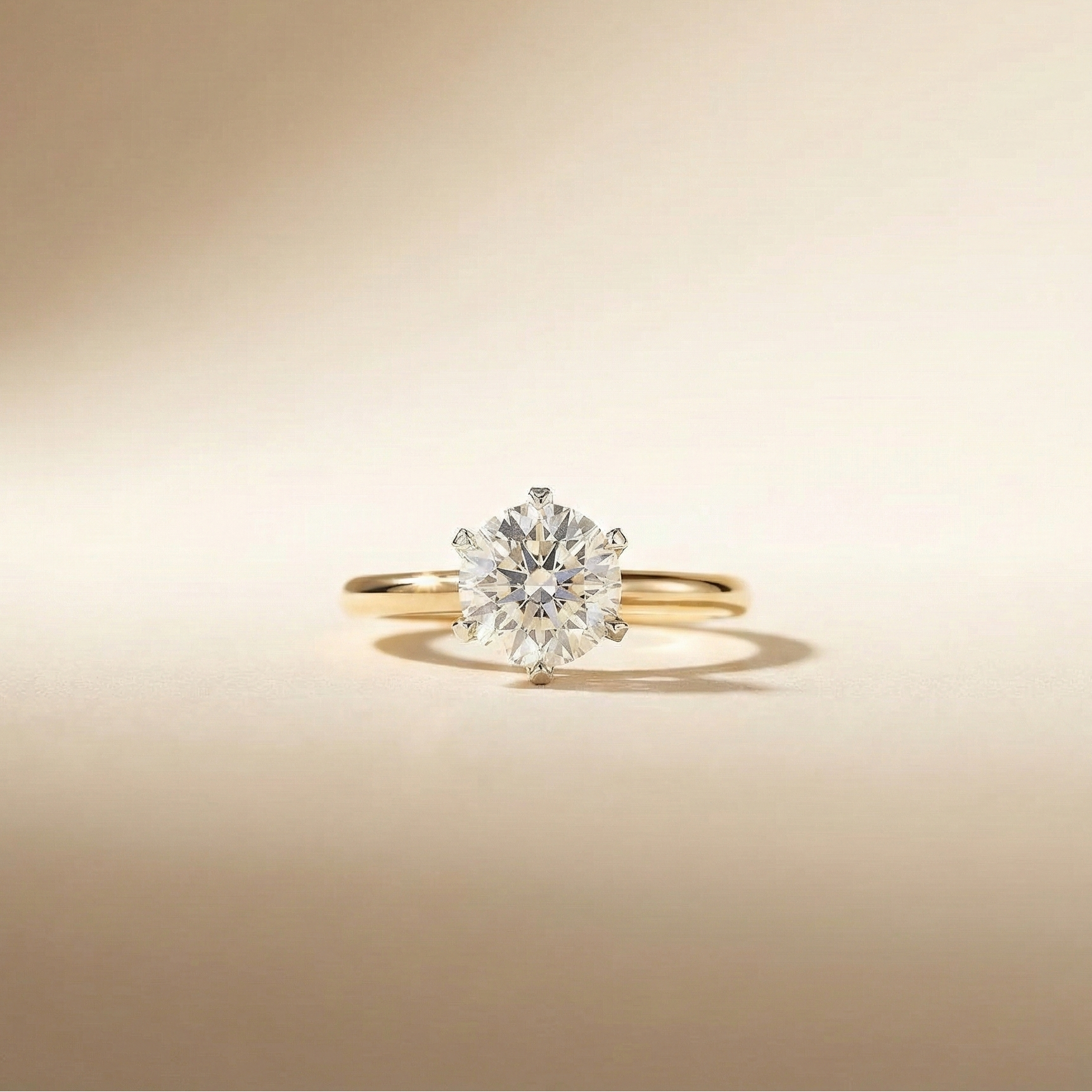
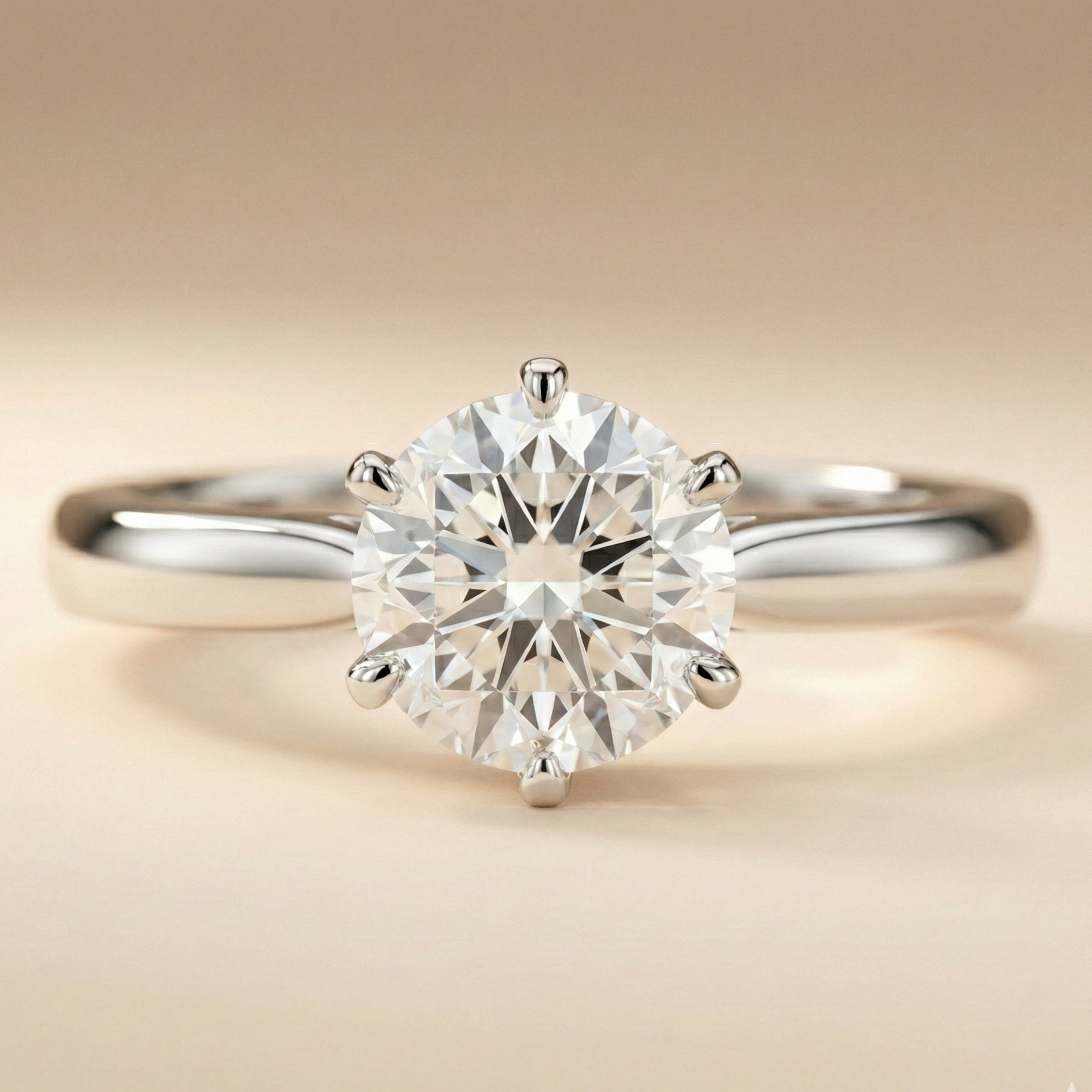
Prongs are often treated as a purely functional element, but their scale has a powerful psychological effect. Oversized prongs can make a ring feel clunky and visually shrink the diamond. Undersized prongs, while delicate in appearance, can create constant subconscious worry about security.
Well-designed prongs disappear visually. You notice the diamond, not the metal holding it. That visual calm is one of the main reasons certain engagement rings feel instantly “right” when worn.
4. Balance on the hand, not on paper
Many engagement rings are designed to look perfect in CAD renders or display trays, but hands move. Fingers flex, rotate, and interact with everyday objects.
A well-balanced ring:
- Sits flat without effort
- Does not spin excessively
- Feels centred even after hours of wear
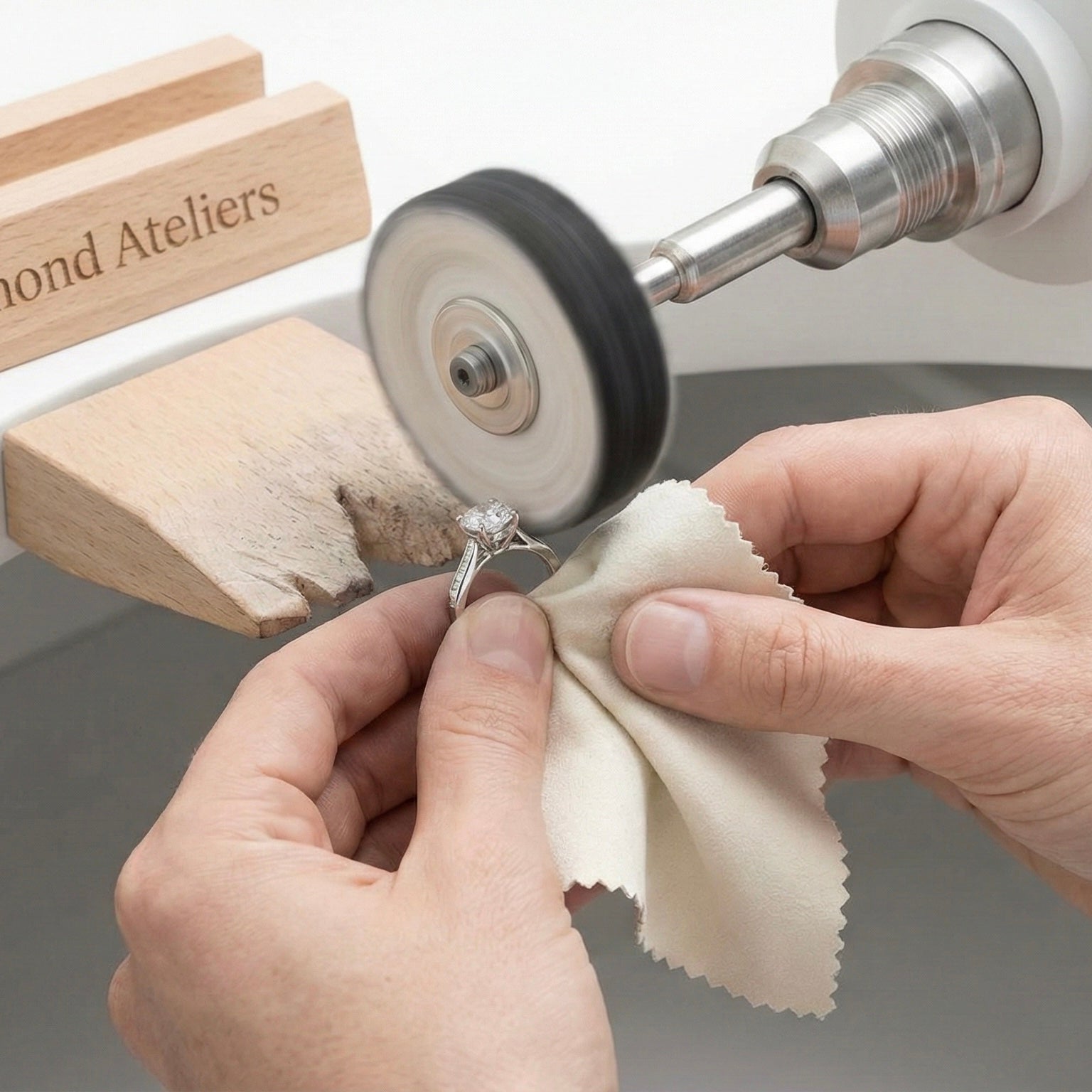
This balance cannot be fully predicted on paper. At Diamond Ateliers, we rely on in-house 3D printing and physical testing to ensure balance is correct on the hand before final production.
A real Diamond Ateliers design example
A client came in convinced she wanted a high-set solitaire for maximum presence. On paper, the design worked. On her hand, it felt unstable and distracting.
We lowered the lift height by less than one millimetre, refined the prong scale, and adjusted the shoulder taper—without changing the diamond itself. The difference was immediate. The ring felt secure, elegant, and effortless.
Her response was simple: “I didn’t realise comfort could be designed like this.”
How to tell if an engagement ring truly feels right
When you try on an engagement ring, ask yourself:
- Does it feel centred without adjusting it?
- Do I forget about it after a few minutes?
- Does it feel secure without feeling bulky?
If the answer is yes, the design is doing its job.
Designing engagement rings in Singapore
At Diamond Ateliers, we design and produce 80–100 bespoke engagement rings every month. Every ring is engineered for comfort, proportion, and long-term wear—not showroom tricks or generic templates.
Clients comparing options often find clarity by understanding material choices alongside design. Our article on natural vs lab-grown diamonds in Singapore explains how diamond type can subtly influence weight distribution, height, and long-term wear expectations.
Our bespoke engagement ring process allows each design to be refined around how it actually feels on the hand, not just how it looks in theory.
Comfort is designed, not guessed.
Founder’s note: A ring you wear every day should never feel like a compromise. When comfort and aesthetics align, confidence follows.
Considering a bespoke engagement ring?
A private consultation lets you experience how proportion, balance, and craftsmanship come together—before committing.