Prongs & Stone Control: Your Signature Zone
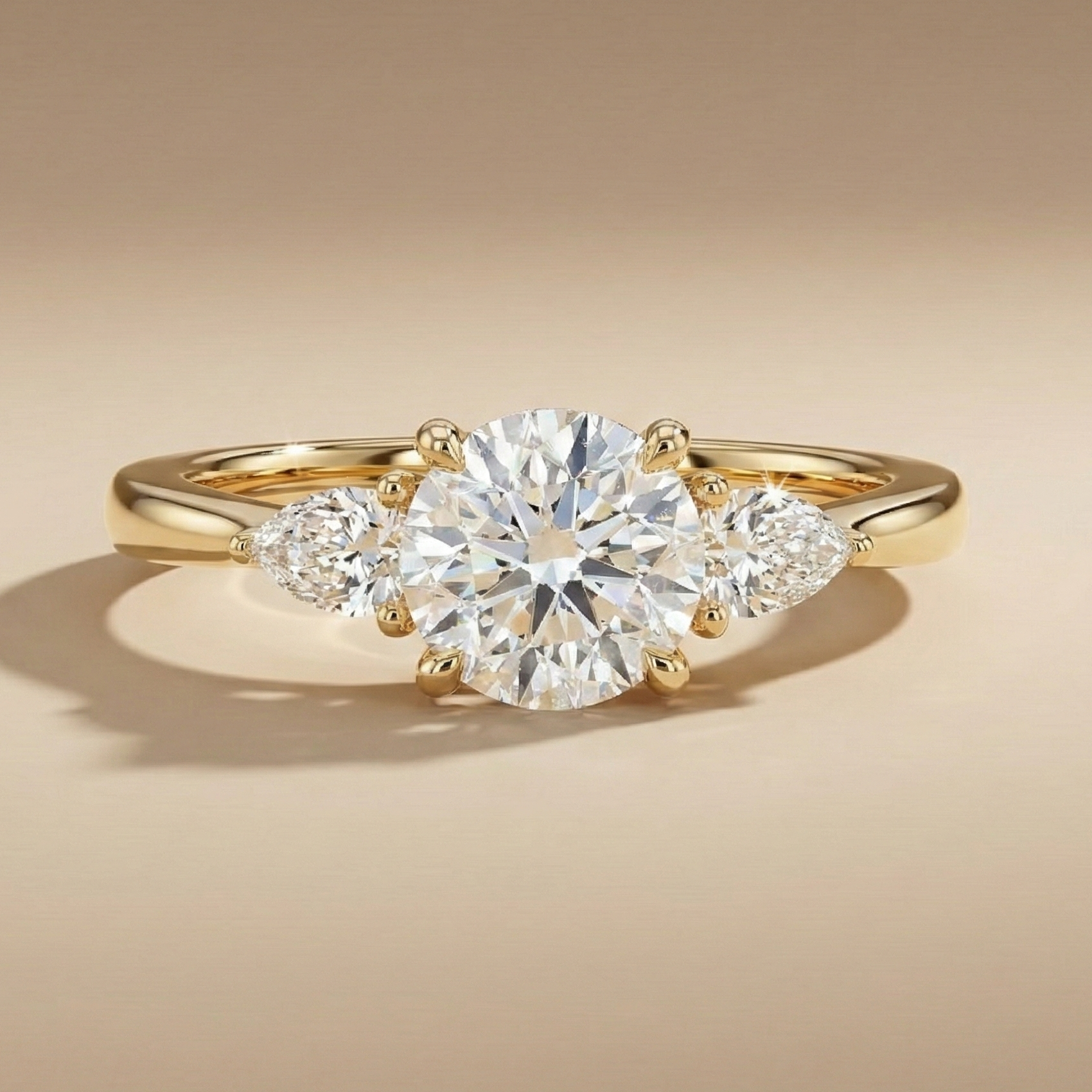
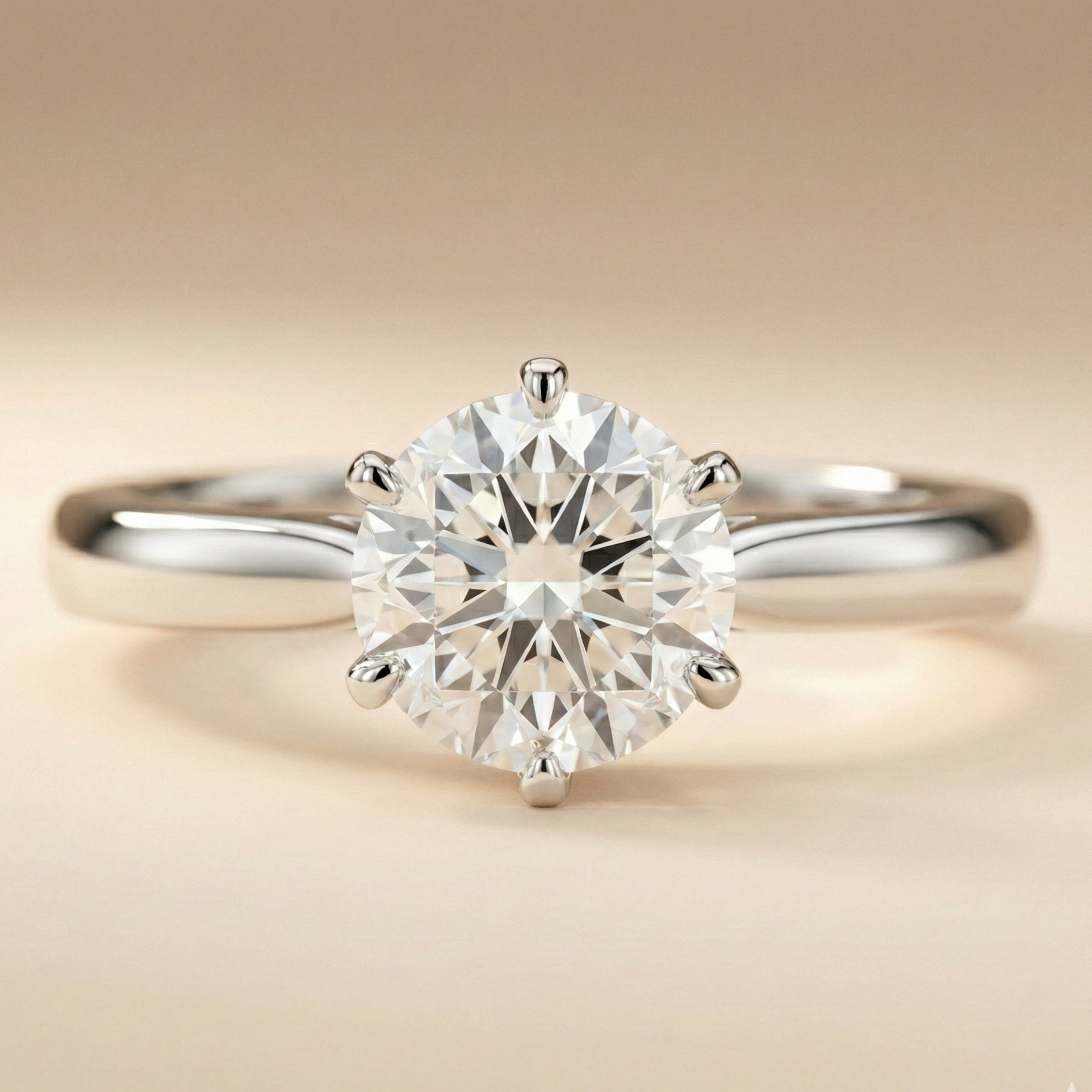
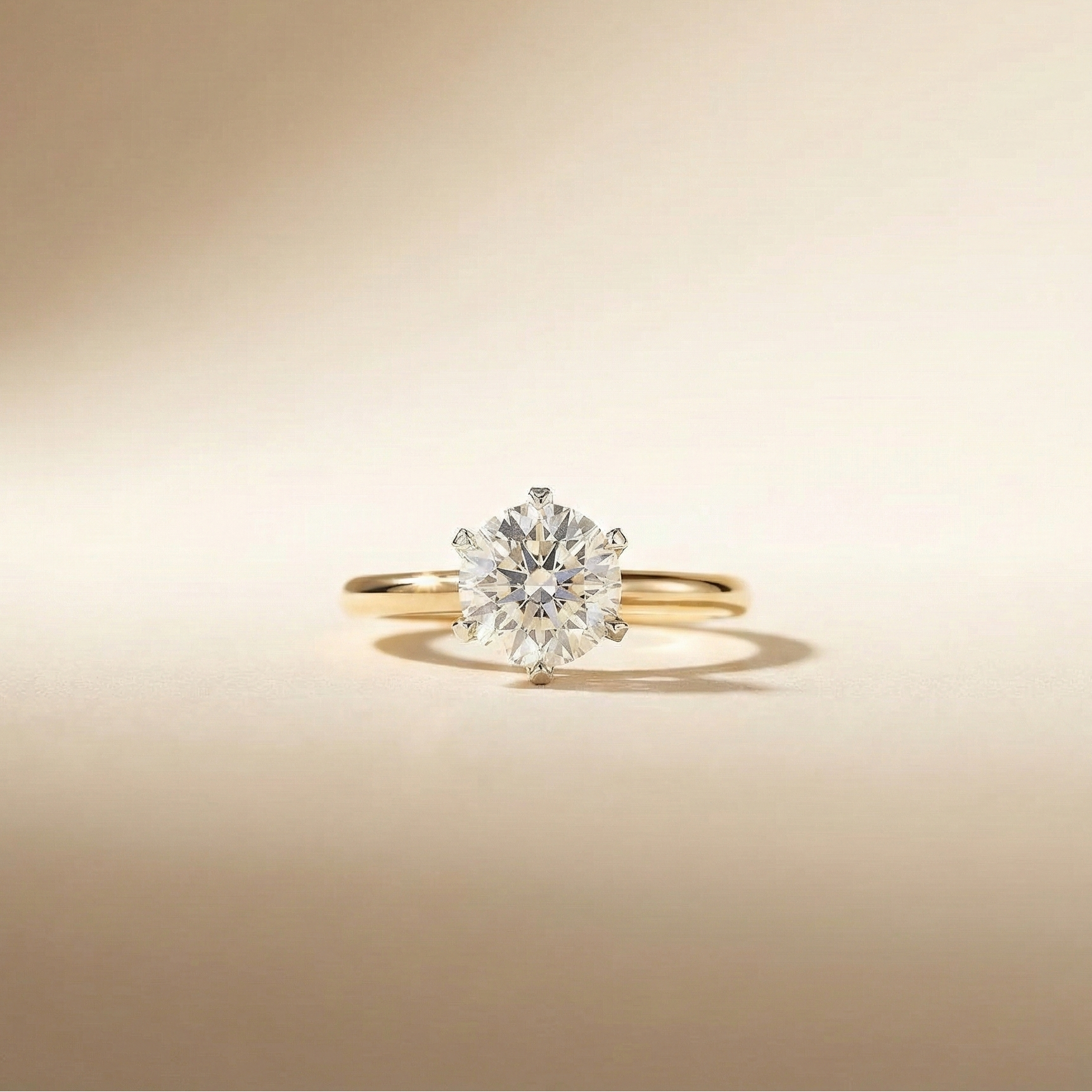
In bespoke engagement ring design, most people focus on diamond size or carat weight. In real Diamond Ateliers bespoke consultations, however, one detail consistently determines whether a ring feels refined, secure, and balanced over years of wear: the prong. Prongs are not decorative elements. They are engineered control points that dictate how the diamond is seated, how force transfers into the metal, and how much of the stone is visually exposed. This article looks at prongs through a precision lens—using one round brilliant diamond and three prong profiles we commonly engineer: Claw, Heart, and Rounded. No stylistic hype, no marketing language—only the variables that matter: visual footprint, wear rate, and stone exposure.
Prongs Are an Engineering Decision
Every prong design resolves three competing priorities. First, how much metal is visible from the top view (visual footprint). Second, how quickly the prong tip may wear under daily contact (wear rate). Third, how much of the diamond is lifted and revealed above the setting (stone exposure). Changing the prong tip shape alters the contact patch on the diamond’s girdle, which in turn affects load distribution and long-term durability. When prongs are designed intentionally, refinement does not come at the cost of security.
Three Prong Types for a Round Brilliant
Claw Prong
Visual Footprint: Low
Wear Rate: Medium
Stone Exposure: High
Claw prongs taper toward a fine tip, reducing the amount of metal visible from the top view. This allows the round brilliant diamond to dominate visually and creates a lighter, more open appearance. The trade-off is not weakness, but precision: because the metal mass at the tip is smaller, the prong’s geometry, seat depth, and neck thickness must be engineered correctly. When done properly, claw prongs offer excellent security with a refined profile. When done poorly, they wear faster than expected. The difference is design, not size.
Heart Prong
Visual Footprint: Medium
Wear Rate: Medium
Stone Exposure: Medium
Heart prongs increase surface contact at the girdle by subtly widening the prong tip. This spreads load more evenly across the diamond without moving fully into a rounded profile. Visually, they sit between claw and rounded prongs, offering a softer transition from metal to stone. From an engineering perspective, they provide a balanced solution for clients who want controlled exposure without pushing the limits of minimal metal.
Rounded Prong
Visual Footprint: Medium–High
Wear Rate: Low
Stone Exposure: Medium
Rounded prongs maximise metal at the contact point, distributing force evenly and reducing wear over time. They are the most forgiving prong geometry under daily wear and offer the largest safety margin. The trade-off is visual weight: more metal is visible from the top view, which can slightly soften the crisp outline of the diamond. For clients prioritising longevity and low maintenance, rounded prongs remain a reliable choice.
Smaller Doesn’t Mean Weaker
Prong failure is rarely caused by prongs being “too small.” It is caused by poor geometry, incorrect seating, or inappropriate alloy selection. A refined prong with correct load paths and controlled contact points will outperform a bulky prong that is badly designed. This is why prongs must be treated as part of the ring’s structure—not as an afterthought added at the end of the design process.
The Diamond Ateliers Approach
At Diamond Ateliers, prongs are designed with the same intent as the rest of the ring. We evaluate how each prong profile interacts with the diamond’s girdle, how it wears over time, and how it reads visually at normal viewing distance. This evaluation sits alongside our broader approach to diamond selection and grading, ensuring the setting complements the stone rather than competing with it. The result is not a “style,” but a controlled outcome: security, refinement, and clarity of design.
Smaller doesn’t mean weaker.