Redesigning Heirloom Jewellery: The Complete Guide
The Piece in the Drawer
Most families have one. A grandmother's ring that nobody wears. A bangle from a great-aunt. A diamond pendant that belonged to someone no longer here. Jewellery with real sentimental weight and real material value, sitting in a box because it doesn't fit anyone's style, or because no one can agree on who should wear it, or simply because it's been there so long that removing it feels complicated.
Redesigning heirloom jewellery — transforming an existing piece into something new — is one of the most meaningful projects we take on. The material continuity matters: the gold that was worn by one generation becomes part of something worn by the next. The stone that was chosen decades ago is reset into a design made specifically for the person wearing it now.
This guide covers what the process involves, what's possible and what isn't, and how to think about it before you begin.
What Can Actually Be Reused?
Diamonds and gemstones
In most cases, yes — diamonds and quality gemstones from old jewellery can be removed and reset into new pieces. The stone needs to be assessed first: some stones develop chips or abrasions over decades of wear, and some old cuts (particularly old mine cuts and rose cuts) may need recutting if you want a more brilliant result, though this is entirely optional and many people prefer to preserve the original cut.
Old mine cuts and old European cuts are increasingly sought-after for their distinctive warm, romantic appearance. If the stone is in good condition, resetting it as-is into a modern design creates a beautiful contrast — antique character in a contemporary form.
Gold and platinum
Metal from old pieces can almost always be melted down and incorporated into new work. There are some important caveats: the metal needs to be assayed (tested for purity), as hallmarks don't always reflect the actual alloy composition after years of repairs and wear. Gold from different pieces with different karatages can be combined but the resulting alloy composition needs to be assessed.
In most cases, we can use the melted metal from heirloom pieces as part of the new piece's metal, sometimes supplementing with new metal if the quantity is insufficient. The sentimental value of the original metal being physically present in the new piece is something our clients consistently find meaningful.
What typically can't be reused
Claw settings, findings, and fine filigree work are generally not reusable — they're too small and intricate to be remade from recycled metal efficiently, and old fine structures often show metal fatigue. Enamel work typically can't be transferred. Stones that are heavily included, chipped, or have surface damage may not be suitable for resetting depending on the nature of the damage.
Common Heirloom Redesign Scenarios
Grandmother's diamond into an engagement ring
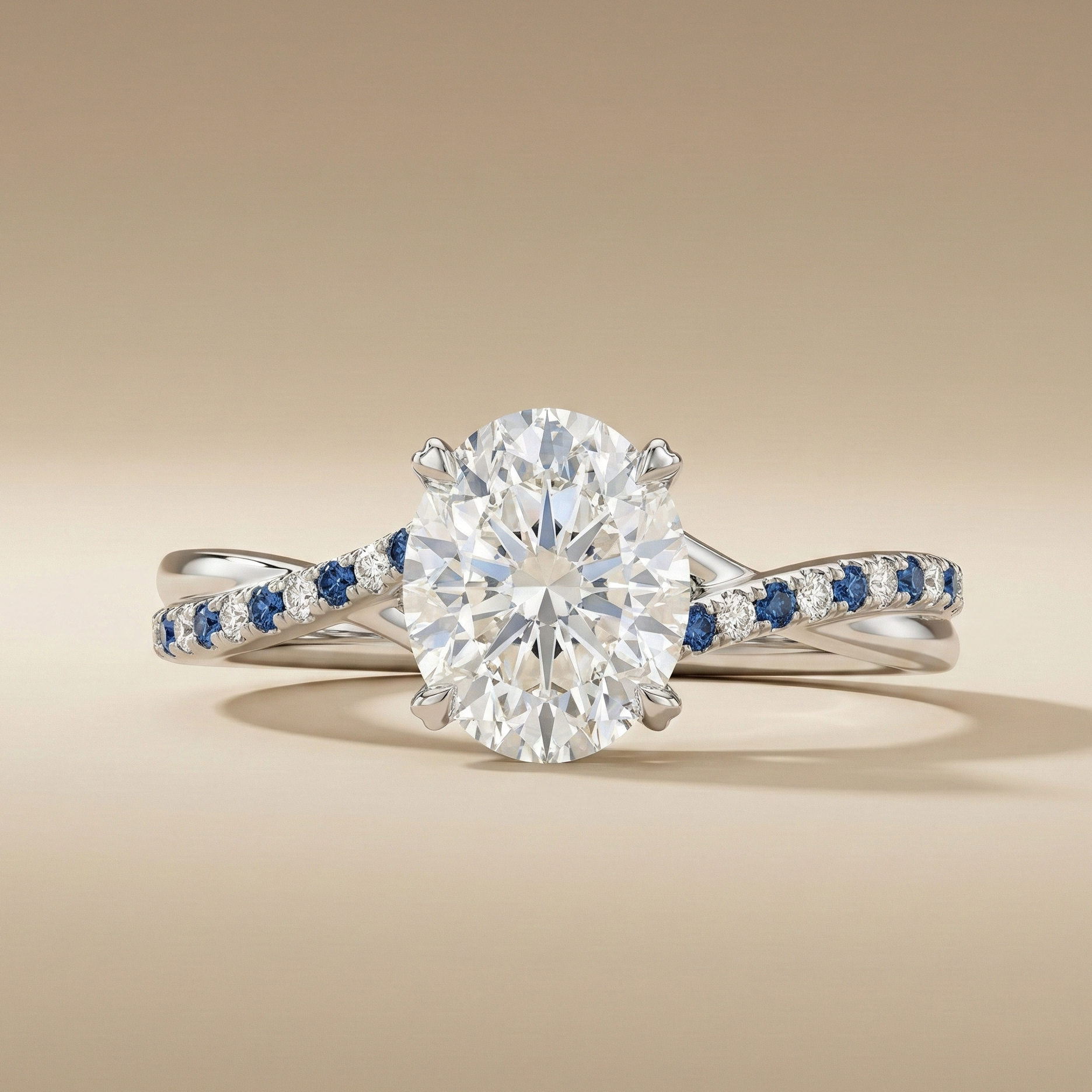
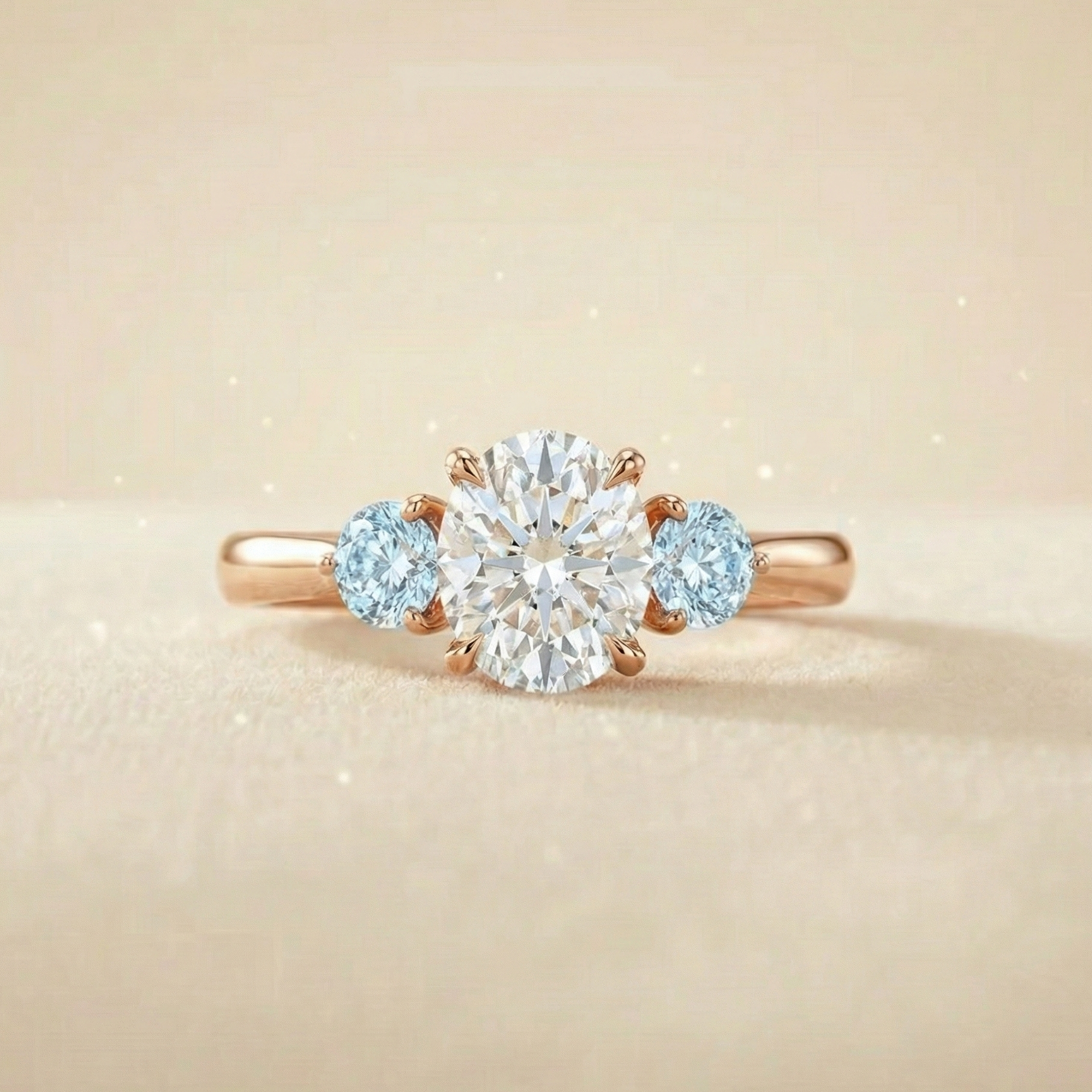
The most common scenario we handle. A diamond from an old ring — often an old mine cut or old European cut — is removed, assessed, and reset into a new engagement ring designed for the person who will wear it. The new setting is designed from scratch around the specific stone, which means the proportions, claw style, and band design are all suited to that stone's exact shape and dimensions.
One thing worth knowing: old mine cuts often have higher tables and smaller culets than modern round brilliants. They may face up slightly smaller than their carat weight suggests by modern cutting standards. The redesign brief should account for this — sometimes a bezel or semi-bezel setting better suits an old mine cut than a claw setting.
Multiple pieces into one
When a family has several old pieces — different rings, a brooch, a pendant — the gold and stones from all of them can sometimes be consolidated into a single new piece. This requires careful planning: the metal quantities need to add up, the stones need to work together in the new design, and the design brief needs to make sense as a unified piece rather than a collection of elements. We've made engagement rings, wedding bands, and statement pieces this way.
Resizing and updating without full redesign
Not every heirloom needs to be completely remade. Sometimes the piece is fundamentally right but needs resizing, a new claw, or a refreshed finish. We're happy to work on these more modest interventions as well — there's no minimum scope for a heirloom project.
Si dian jin into everyday jewellery
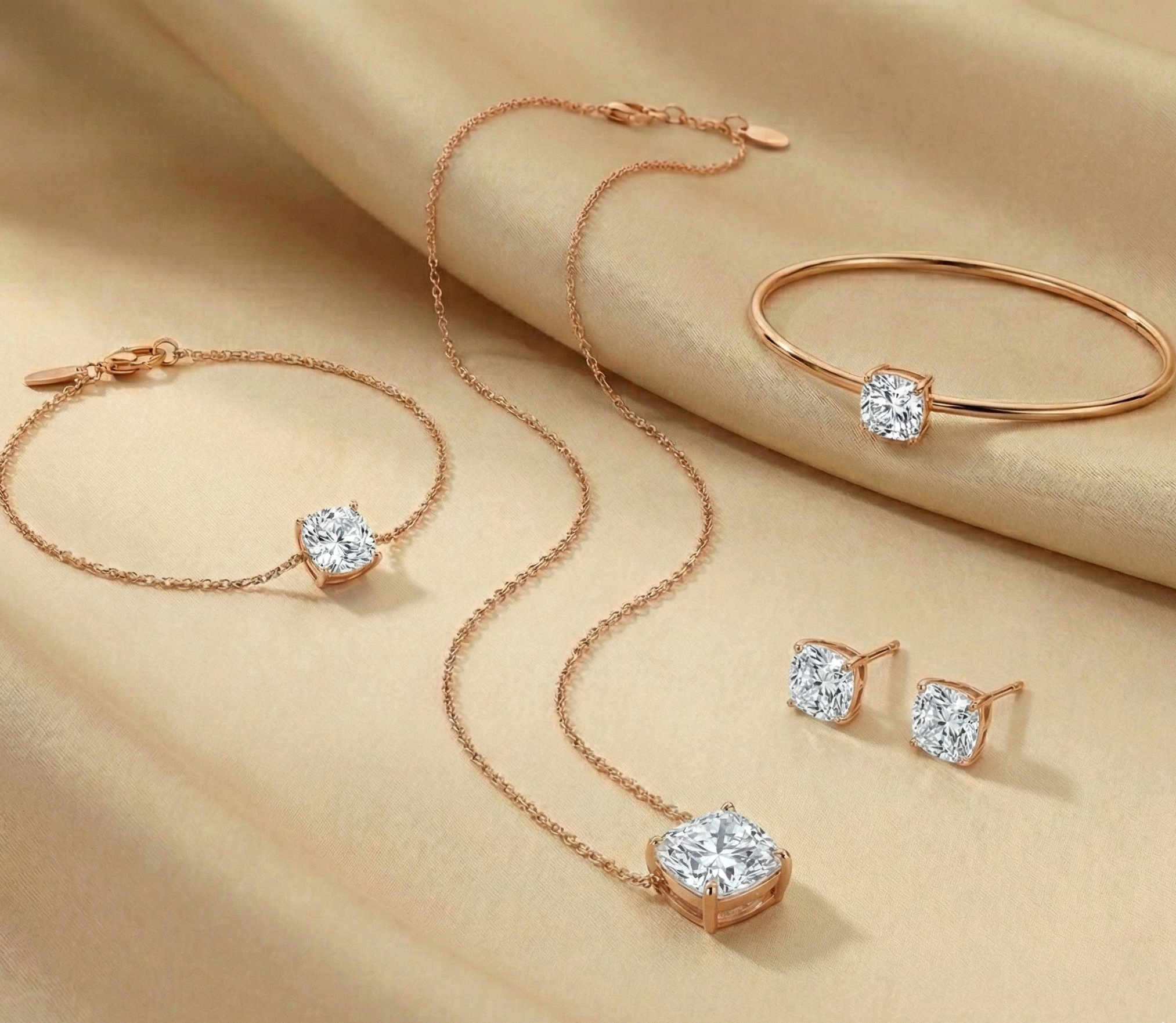
We see this regularly: a si dian jin set received at a wedding, worn ceremonially, then largely unworn because the style doesn't suit daily life. The gold and stones from the set can be redesigned into pieces the recipient will actually wear — earrings, a necklace, a ring that suits their current taste. The metal from the original pieces is present in the new ones, preserving the continuity.
How the Process Works
Bring in the pieces
We start with a consultation where you bring in the heirloom pieces for assessment. We'll examine the stones for condition and suitability for resetting, test the metal, and get a clear picture of what we're working with. This session is also where we discuss your brief — what the new piece should be, how you want it to feel, what elements of the original you want to preserve.
Design and quotation
After assessment, we develop a design proposal and cost estimate. The cost depends on the complexity of the new design, how much new metal and how many new stones (if any) are needed to supplement the heirloom material, and the setting work involved. Heirloom projects can range widely in cost — a simple reset of a single stone into a new ring is less involved than a complex multi-stone piece drawing on several heirloom sources.
Approval and production
Once the design and cost are approved, production typically takes four to six weeks. You'll receive updates as the piece progresses, and there's a review stage before final finishing. We're careful with heirloom material — these pieces represent irreplaceable sentiment and we treat them accordingly.
Practical and Emotional Considerations
Family agreement
Before beginning any heirloom project, make sure all relevant family members are in agreement. We've had projects stall — or become difficult — when it emerges mid-way that not everyone was consulted. If the piece might carry meaning or claim for multiple people, those conversations are worth having before the jewellery arrives in our studio.
Letting go of the original form
The most emotionally complex part of heirloom redesign is usually accepting that the original piece will cease to exist as it was. Once the stone is removed and the metal melted, the ring you remember from your grandmother's hand is gone — what exists instead is a new piece that carries the same material forward. Some people find this straightforward. Others need more time to sit with it. Both responses are entirely valid, and there's no pressure to proceed until you're ready.
Documentation
If the original piece has any documentation — old receipts, appraisals, certificates — bring those too. They help establish the stone's history and may carry insurance or provenance value. If there's no documentation, that's fine — most old pieces don't have it.
Starting the Conversation
If you have a piece you've been thinking about redesigning, the most useful first step is simply bringing it in. You don't need a design in mind — the assessment and conversation will often reveal what the piece wants to become based on what it contains and what you're hoping to wear.
Message us on WhatsApp to arrange an assessment, or book a consultation to bring the piece in and talk through the possibilities.