
Blog
What to Engrave Inside Your Ring: Ideas, Practical Limits, and What to Avoid
Thinking about engraving something inside the band? Here's what actually works, what character limits and setting styles allow for, and a few things worth thinking through before you commit.
Read moreIndian Wedding Engagement Traditions in Singapore: Nichayathartham, Roka, and Kurmai
Singapore's Indian community includes Tamil, Punjabi Sikh, and many other traditions, each with its own engagement customs. A general guide to Nichayathartham, Roka, and Kurmai ceremonies, and wher...
Read moreDo You Need Two Months Salary for an Engagement Ring
The idea that you should spend two or three months' salary on an engagement ring didn't come from tradition. It came from a diamond marketing campaign. Here's where the rule actually came from, and...
Read moreBuying a Secondhand or Vintage Engagement Ring: What to Check Before You Buy
Thinking about a secondhand or vintage engagement ring? Here is what to check on the stone, the setting, and the paperwork before you buy, and where a bespoke jeweller can help either way.
Read more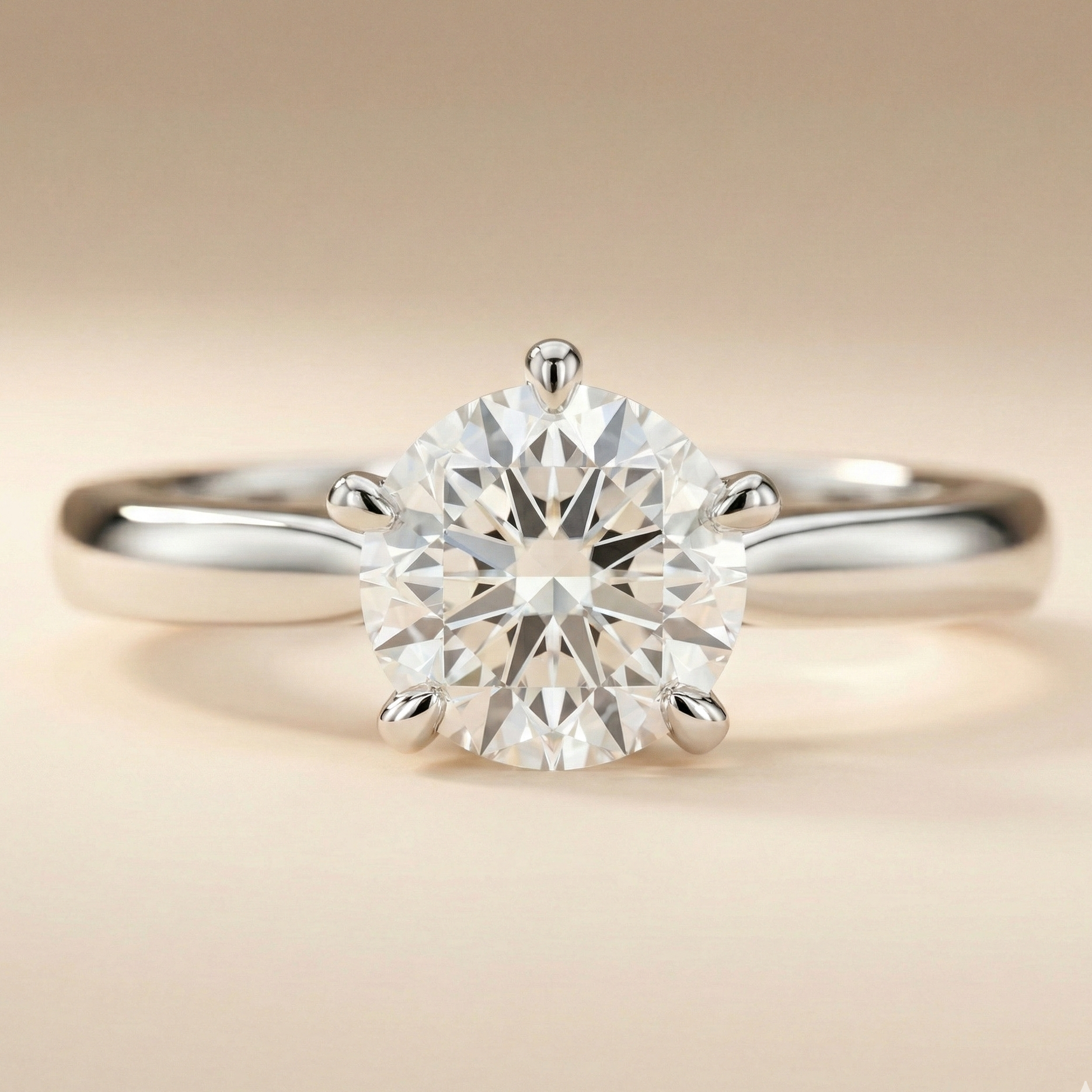
4 vs 5 vs 6 Prongs: How to Choose the Right Setting for Your Engagement Ring
When most people start designing an engagement ring, they focus on the diamond first. Shape, size, clarity. Prongs usually come up later — often as a…
Read more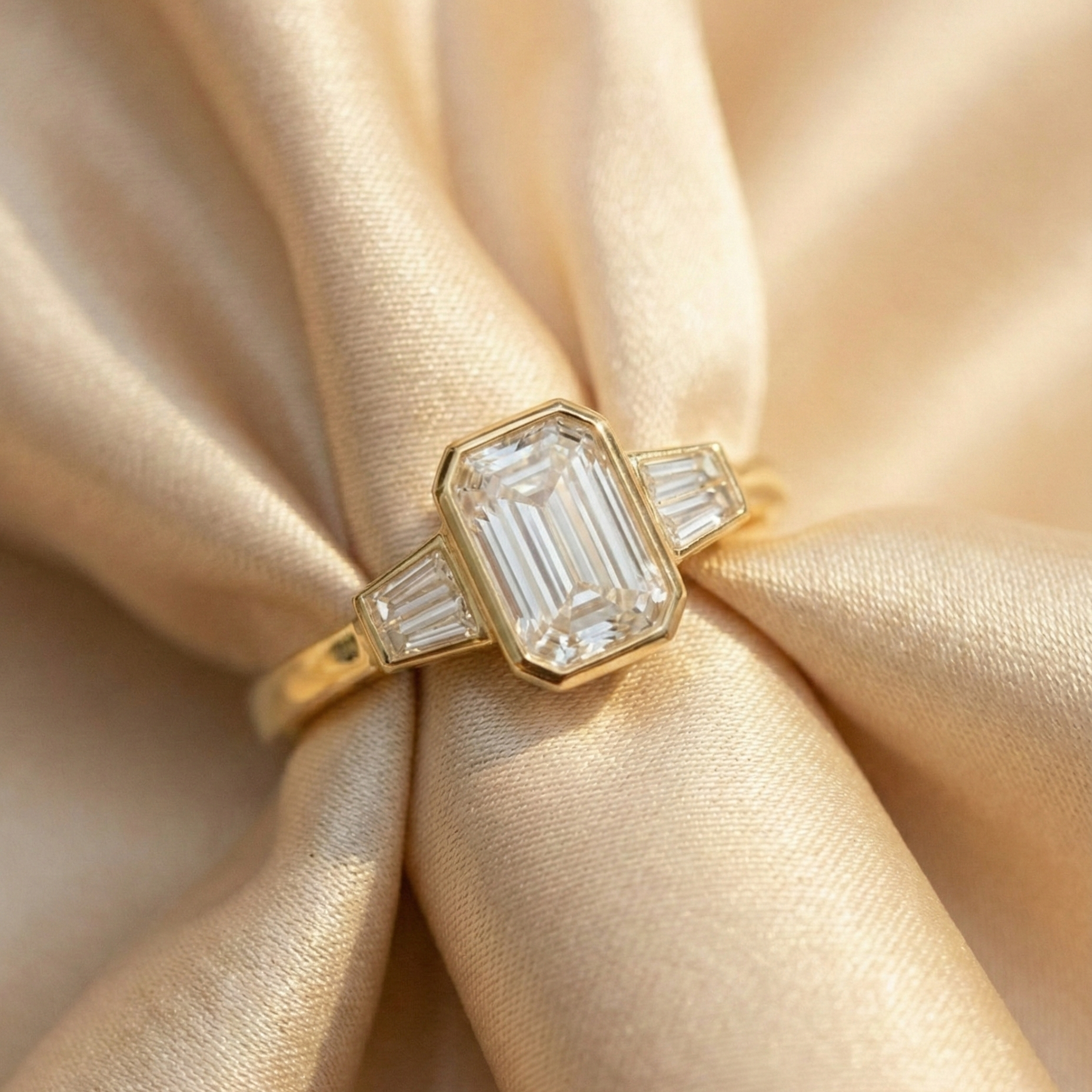
Bezel Diamond Ring Setting Guide
The bezel setting is a practical and stylish option for securing diamonds. Using a thin metal rim that encircles the stone, it offers excellent protection…
Read more
Engagement Ring Prong Settings: 4, 6, and Beyond
Choosing the right engagement ring is a big deal—one of those moments you'll remember forever. Among the many factors to consider, the number of prongs…
Read moreOval Diamond Length-to-Width Ratio: How to Find the Most Flattering Proportion
Oval diamonds are not all the same shape. Two ovals at identical carat weights can look dramatically different on the hand depending on their length-to-width ratio — and this single number has more...
Read morePear vs Oval Diamond: Which Should You Choose?
Pear and oval are two of the most popular fancy diamond shapes for engagement rings right now — and they're often considered together because both are elongated and both flatter the finger. But the...
Read moreEngagement Rings for Wide Fingers vs Slim Fingers: What Actually Flatters
The same ring can look completely different on two people with different finger proportions. This isn't about one hand being better than another — it's about understanding which design elements wor...
Read more