Bespoke Engagement Ring Mistakes to Avoid (And What We Quietly Fix for You)
Most engagement rings don’t fail because of budget. They fail because of small design decisions that compound. A slightly oversized stone. A band that’s just a bit too thin. Side stones that don’t quite match. Individually, these issues seem minor. Together, they affect how the ring feels, wears, and ultimately looks.
At Diamond Ateliers, these are the things we quietly correct during the bespoke process. Not because clients ask—but because they shouldn’t have to. When a ring is properly designed, it feels effortless. Balanced. Intentional. This article breaks down the subtle mistakes we see most often—and what actually makes the difference between a ring that looks “fine” and one that looks right.
1. Balance Issues: When a Ring Feels Slightly “Off”
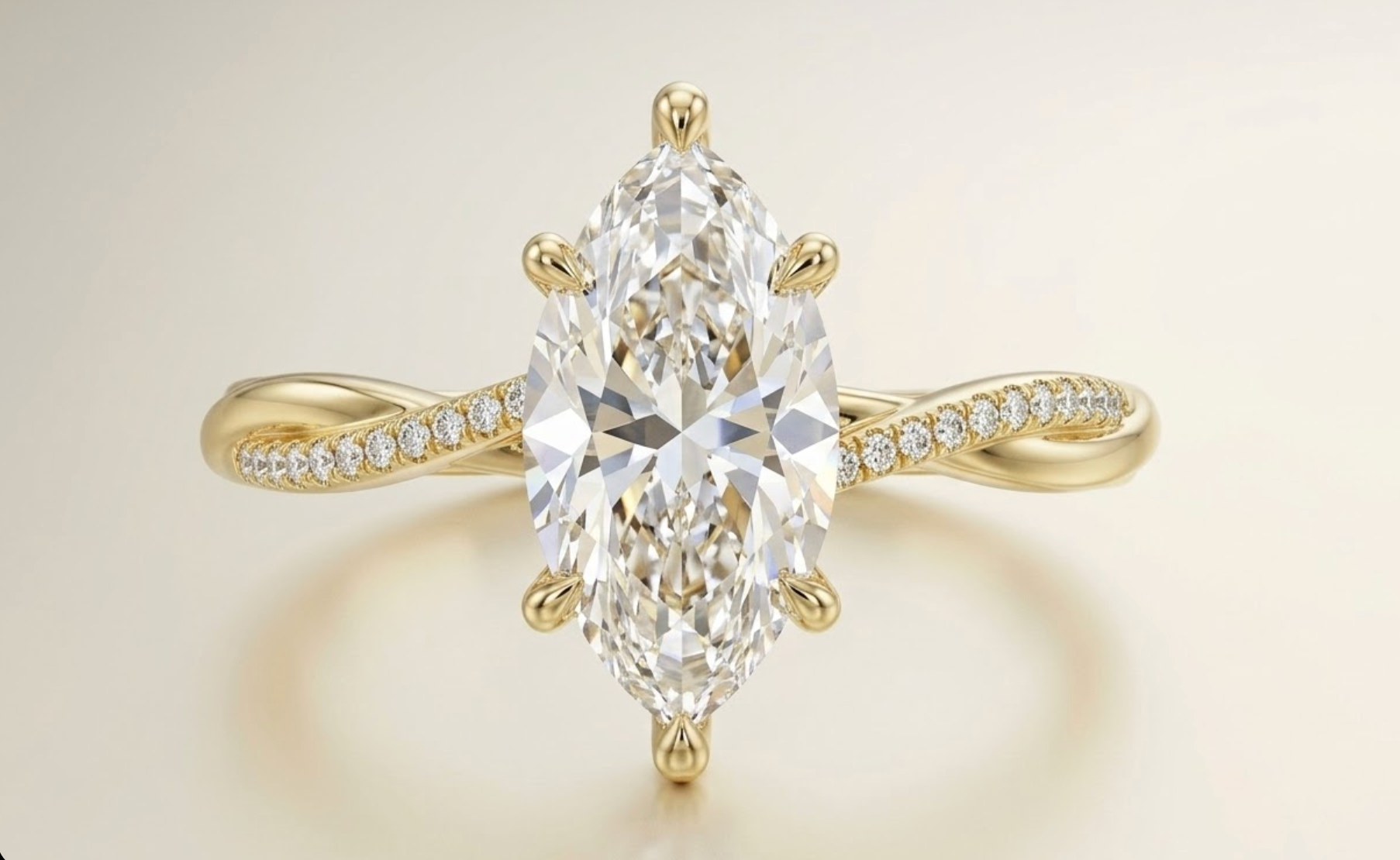
Balance is the first thing people notice—but rarely know how to describe. It’s the relationship between the centre stone, band width, height, and overall presence on the hand.
Common imbalance problems
- Centre stone looks too large for the band
- Band feels too thin, making the ring appear fragile
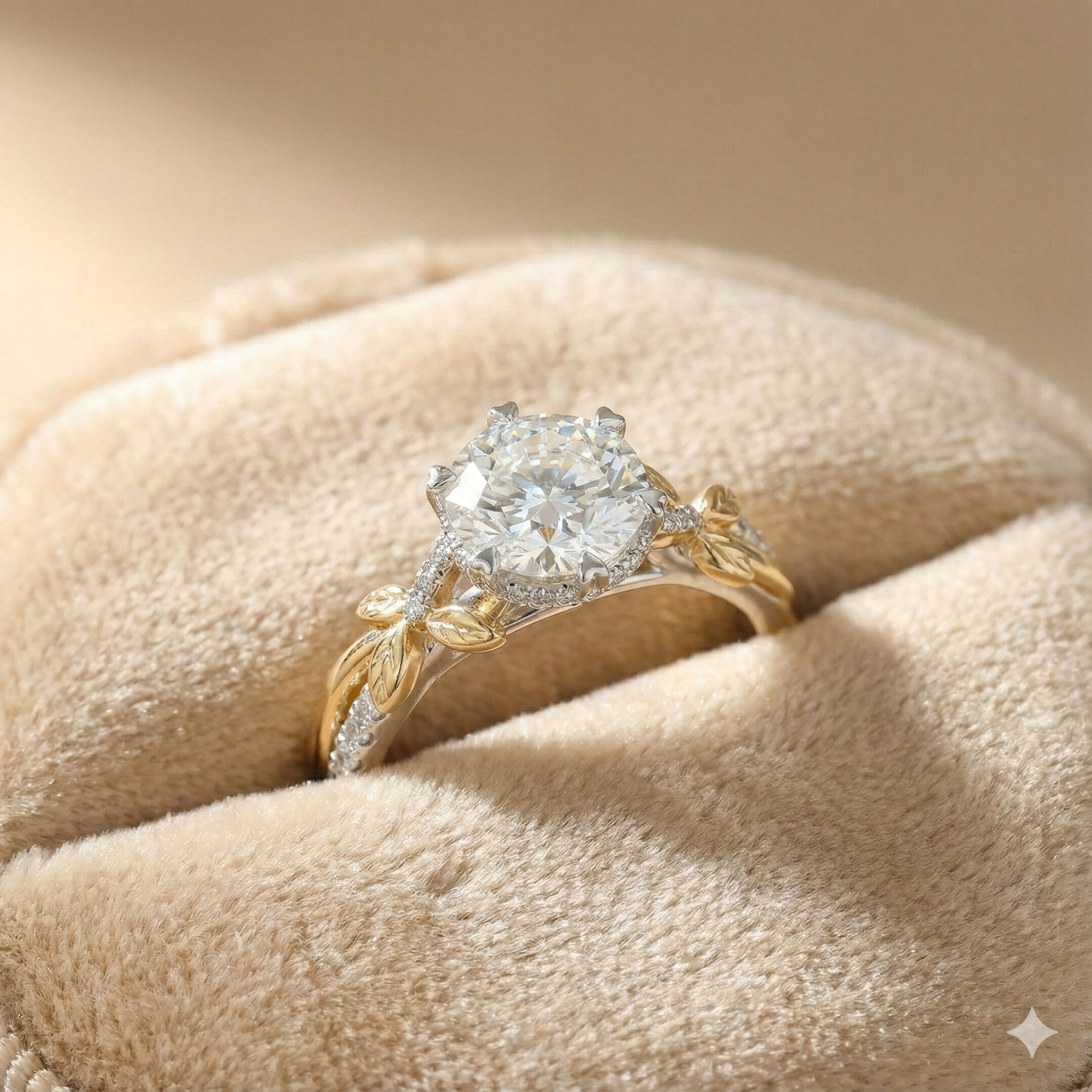
- Setting sits too high, making the diamond look disconnected
- Top-heavy designs that rotate during wear
These are not obvious design flaws on paper. But in real life, they affect how the ring sits, how it catches light, and how confident it feels to wear daily.
During the bespoke process at Diamond Ateliers, we adjust proportions early—often before clients even realise there’s an issue. This might mean slightly widening the band, lowering the setting height, or refining the stone size relative to finger coverage.
It’s not about making the ring bigger or smaller. It’s about making everything feel cohesive.
2. Proportion Tweaks: The Difference Between “Nice” and “Refined”
Two rings can use the same materials, same diamond size, and same budget—but look completely different. The reason is proportion.
This is where most off-the-shelf designs fall short. They follow templates, not individuals.
Where proportion matters most
- Band thickness vs stone size
- Prong size relative to diamond shape
- Height of setting vs finger profile
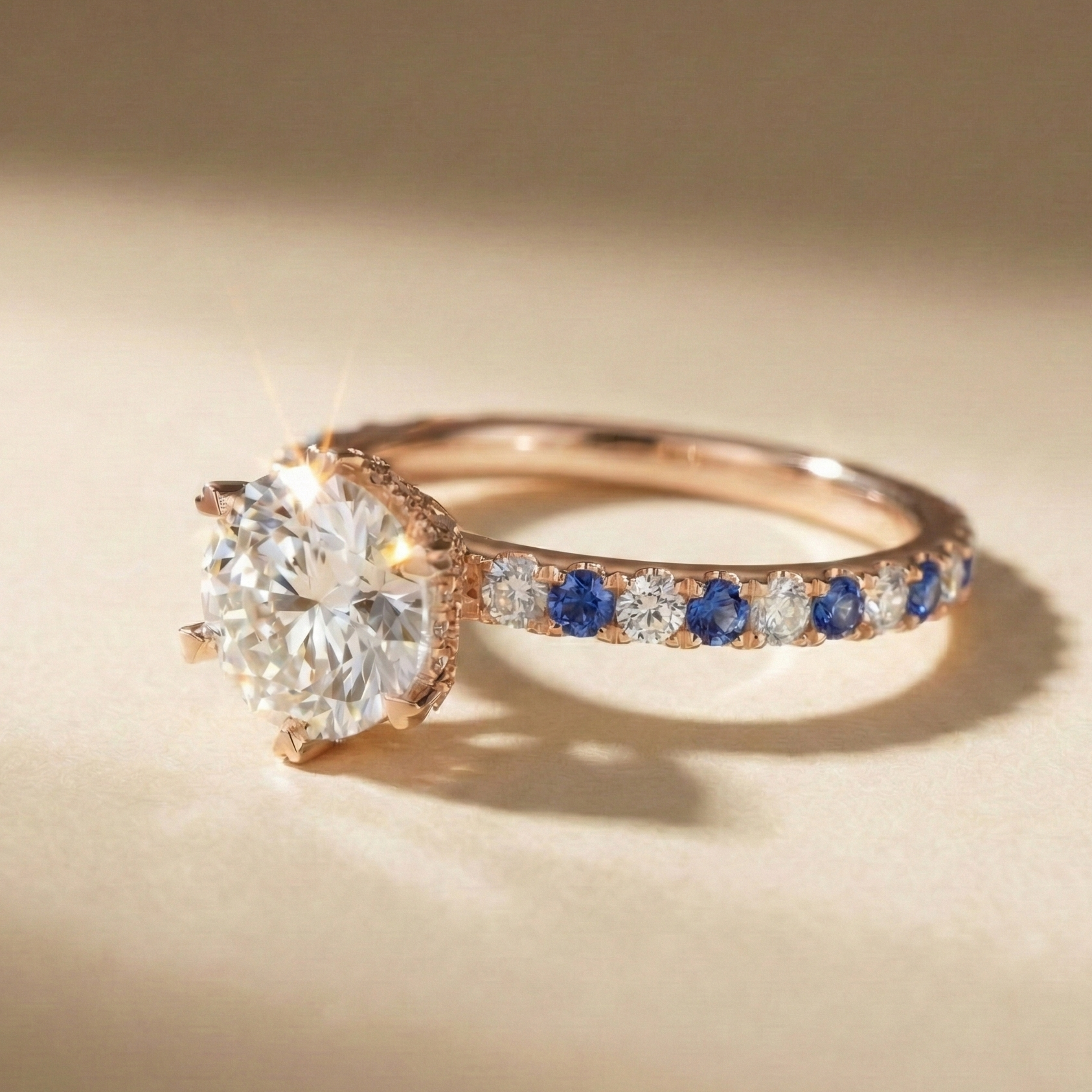
- Spacing between side stones and centre stone
Even a 0.2mm adjustment can change how “expensive” a ring looks. This is exactly why we covered it in detail here: what makes a ring look expensive.
In practice, clients rarely ask for these refinements. They’re not expected to. But this is where an in-house design team makes a difference—we’re not just executing a request, we’re refining it.
Sometimes that means recommending a slightly thicker band. Sometimes it means adjusting the setting style entirely. The goal is always the same: visual harmony.
3. Stone Matching: The Detail Most People Miss Entirely
When a ring includes side stones—whether in a trilogy, halo, or pavé design—matching becomes critical.
Most people assume diamonds of the “same grade” will look identical. They don’t.
What proper stone matching involves
- Colour consistency across all stones
- Similar light performance and brilliance
- Matching proportions and facet patterns
- Alignment in visual size (not just carat weight)
Poor matching is subtle—but once you see it, you can’t unsee it. One side stone slightly darker. Another reflecting light differently. The result is a ring that feels inconsistent.
This is one of the most common issues we quietly correct. Instead of relying purely on grading reports, we visually match stones in real conditions—because that’s how the ring will actually be seen.
It’s also where budget allocation matters. Sometimes we’ll suggest reallocating slightly—prioritising consistency over marginal upgrades that don’t impact appearance. You can explore how budgeting decisions work here: price guide.
Why These Fixes Are Rarely Talked About
Because they’re not easy to explain—and they don’t fit into a checklist.
Most engagement ring advice focuses on the 4Cs or setting styles. But those are just starting points. The real difference comes from how everything is put together.
This is also why many people feel overwhelmed when choosing a ring. There are too many visible choices—and not enough guidance on the invisible ones. If that resonates, this guide helps simplify the process: how to choose an engagement ring.
How This Plays Out in Real Diamond Ateliers Rings
In practice, these “quiet fixes” happen in small, consistent ways:
- A client chooses a 2.0ct diamond → we adjust band width to maintain balance
- A halo design feels crowded → we refine spacing and stone size for clarity
- Side stones look slightly mismatched → we reselect for visual consistency
- A setting sits too high → we lower it for better wearability
None of these change the essence of the ring. But together, they change how the ring feels completely.
This is the difference between simply making a ring—and designing one properly.
What You Should Actually Focus On
If you’re designing a ring, don’t try to micromanage every detail. Focus on choosing the right partner to guide the process.
You shouldn’t need to know about millimetre adjustments or stone matching theory. But you should work with a team that does—and applies it without needing to be asked.
That’s ultimately what bespoke is meant to solve.
Start With a Ring That’s Designed to Feel Right
At Diamond Ateliers, every ring goes through this refinement process—from initial concept to final production. It’s how we ensure that what you receive doesn’t just look good in photos, but feels right in real life.
If you’re starting your engagement ring journey and want clarity without second-guessing every decision, book a consultation with our team. We’ll guide you through the process—and take care of the details you shouldn’t have to think about.
Diamond Ateliers — Singapore’s Bespoke Engagement Ring Studio.
Meta SEO
Title: Bespoke Engagement Ring Mistakes to Avoid (Singapore Guide)
Description: Discover the subtle engagement ring design mistakes most people miss—and how bespoke design fixes balance, proportion, and stone matching.