4 vs 5 vs 6 Prongs: How to Choose the Right Setting for Your Engagement Ring
When most people start designing an engagement ring, they focus on the diamond first. Shape, size, clarity. Prongs usually come up later — often as a quick decision made in the final stages of the design process.
That's a mistake. Prongs quietly determine how secure your diamond is, how large it appears, how often the ring needs maintenance, and how comfortable it feels over years of daily wear.
What Are Prongs, in Simple Terms?
Prongs are the small metal claws that hold your diamond in place. The number of prongs affects three core factors: security (how well the diamond is protected if one prong loosens), appearance (how open or defined the diamond looks), and wearability (how the ring feels in daily life).
4-Prong Settings: Open, Light, and Minimal
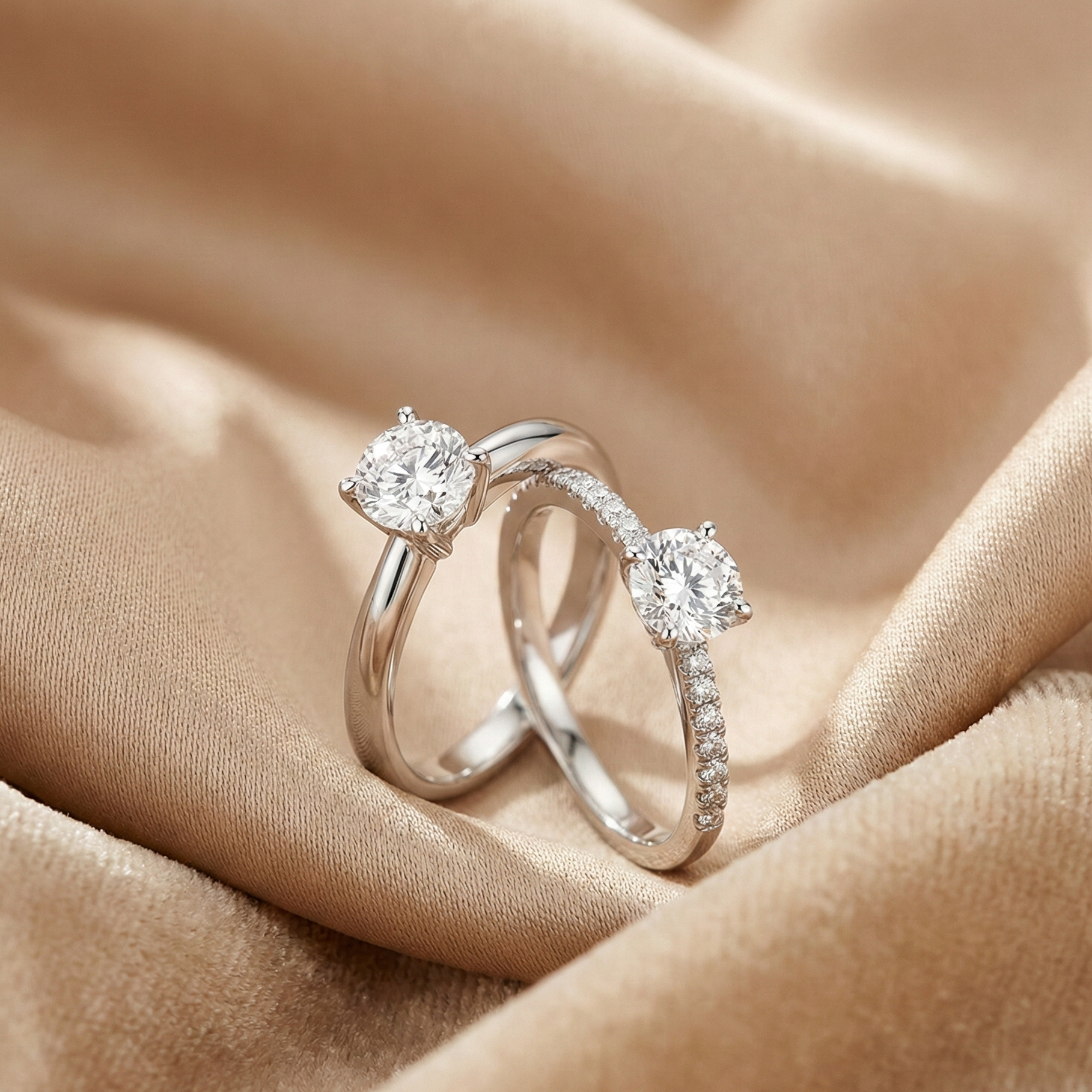
A 4-prong setting exposes more of the diamond, making the stone appear slightly larger and more open. With only four points of contact, each prong carries more responsibility — they are secure when well-engineered, but benefit from regular checks, particularly with larger lab-grown diamonds.
5-Prong Settings: Subtle Security with Asymmetry
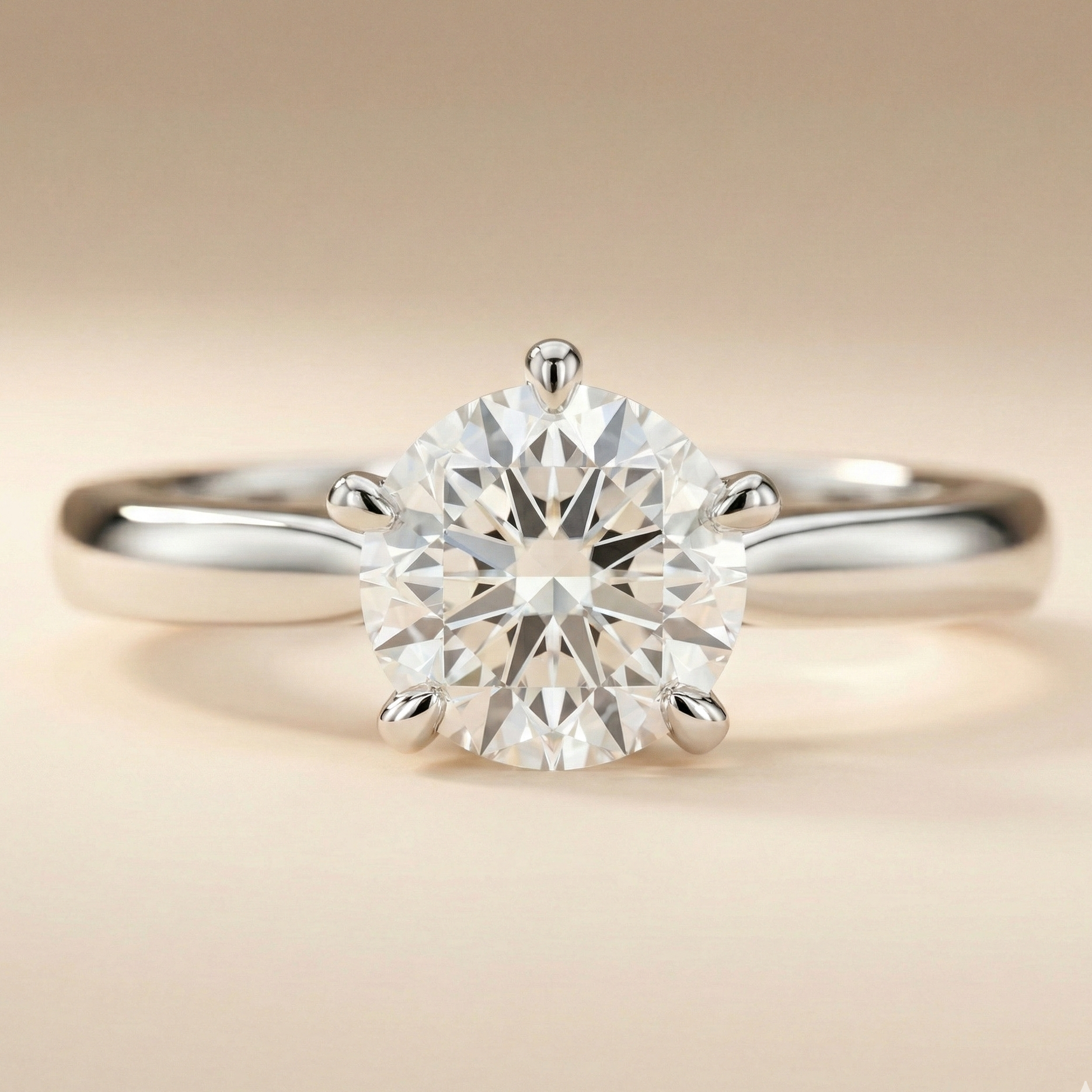
Five prongs are typically chosen for structural or design-specific reasons in fully custom pieces. A fifth prong can reinforce a vulnerable area of a specific diamond shape. They introduce subtle asymmetry — some people never notice it; others prefer it avoided.
6-Prong Settings: Balanced, Secure, and Timeless
Six-prong settings distribute pressure evenly around the diamond. If one prong loosens, the remaining five continue to provide meaningful protection. This is why many heirloom and long-term wear designs use six prongs — not because they are old-fashioned, but because they are dependable.
Common Misconceptions
"More prongs mean the ring looks bulky." Not necessarily — prong thickness and finishing matter far more than the number.
"Four prongs are unsafe." They are safe when properly engineered, but demand higher craftsmanship and routine checks.
"This is a purely aesthetic choice." It isn't — prongs directly affect maintenance, security, and long-term wear.
— Founder, Diamond Ateliers