
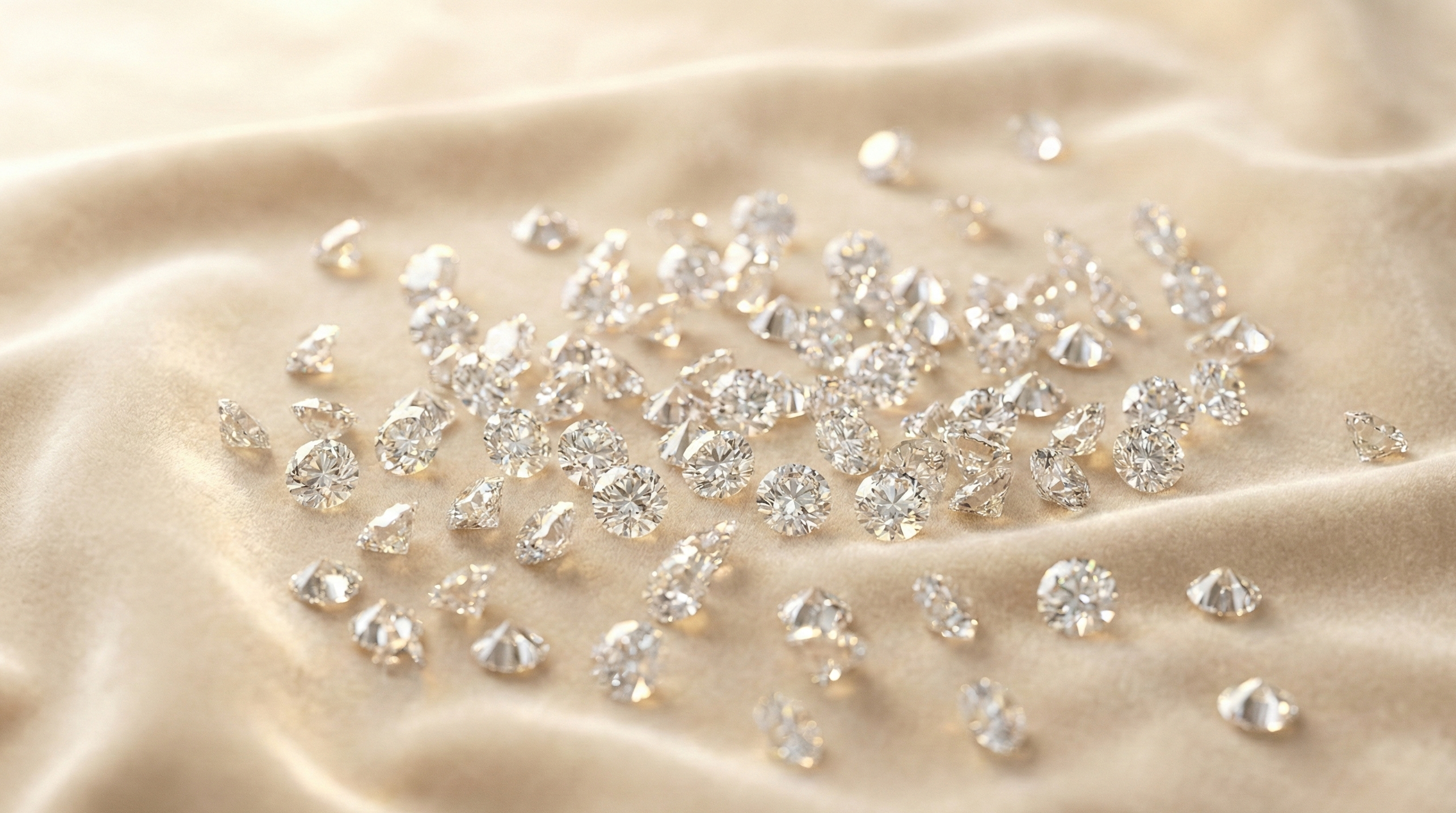
THE ULTIMATE DIAMOND GUIDE
Understand the 4Cs — and the finer details — so you can choose a brilliant, beautifully balanced diamond with confidence.
A clear, modern way to learn about diamonds.
Most diamond advice tells you to buy the highest grade you can afford. In practice, much of that guidance doesn't improve how a diamond looks — it just increases the price.
This guide covers the 4Cs — Cut, Colour, Clarity, Carat — and the factors beyond them: fluorescence, symmetry, polish, light performance, and certifications. It's written by the team at Diamond Ateliers, where we select and work with diamonds every day in Singapore.
By the end, you'll know exactly what matters, what doesn't, and where your budget will make a real visible difference.
What You'll Learn
The foundation of diamond beauty — explained simply and clearly.
The 4Cs of Diamonds
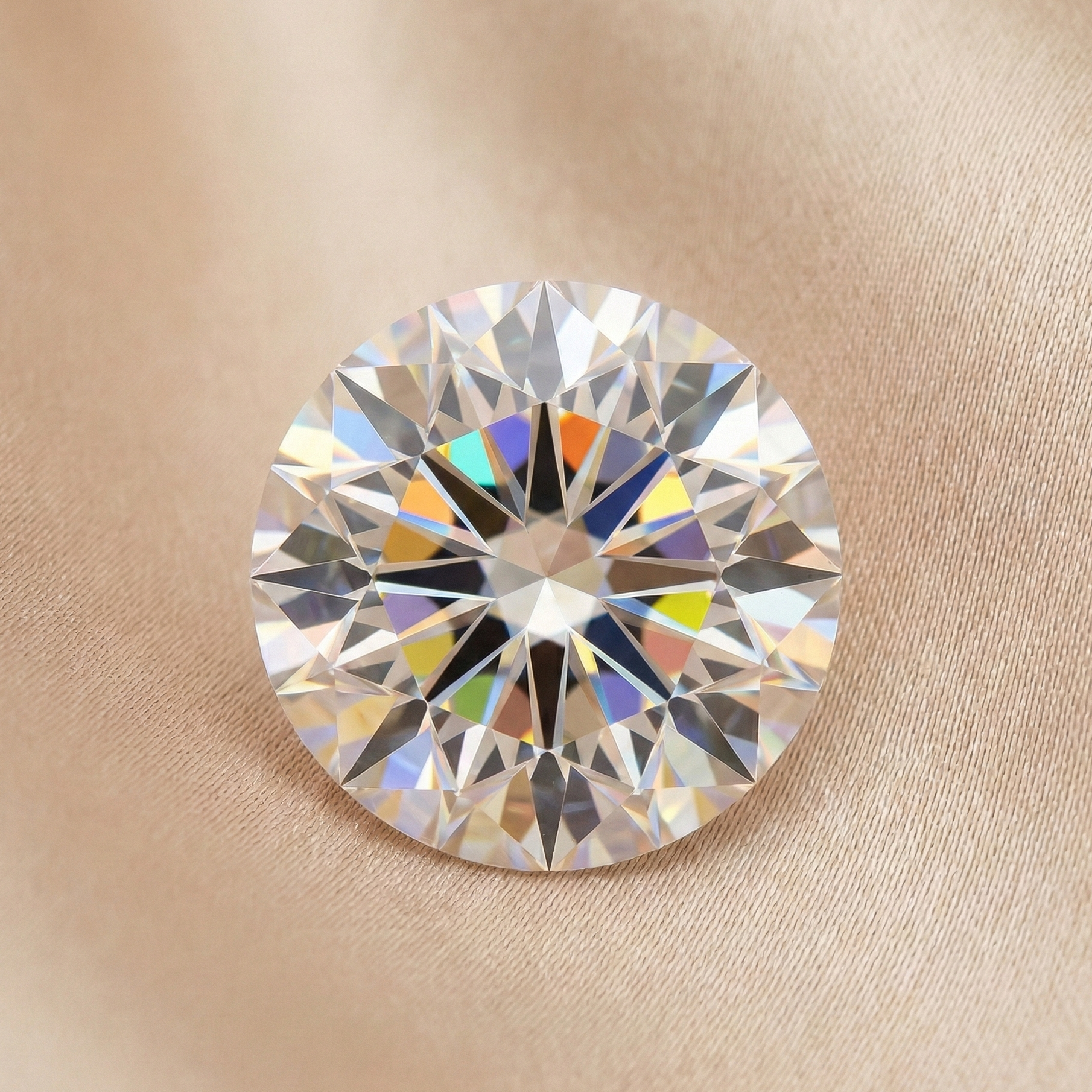
Cut
Shapes how light enters and returns — the greatest influence on brilliance and fire.
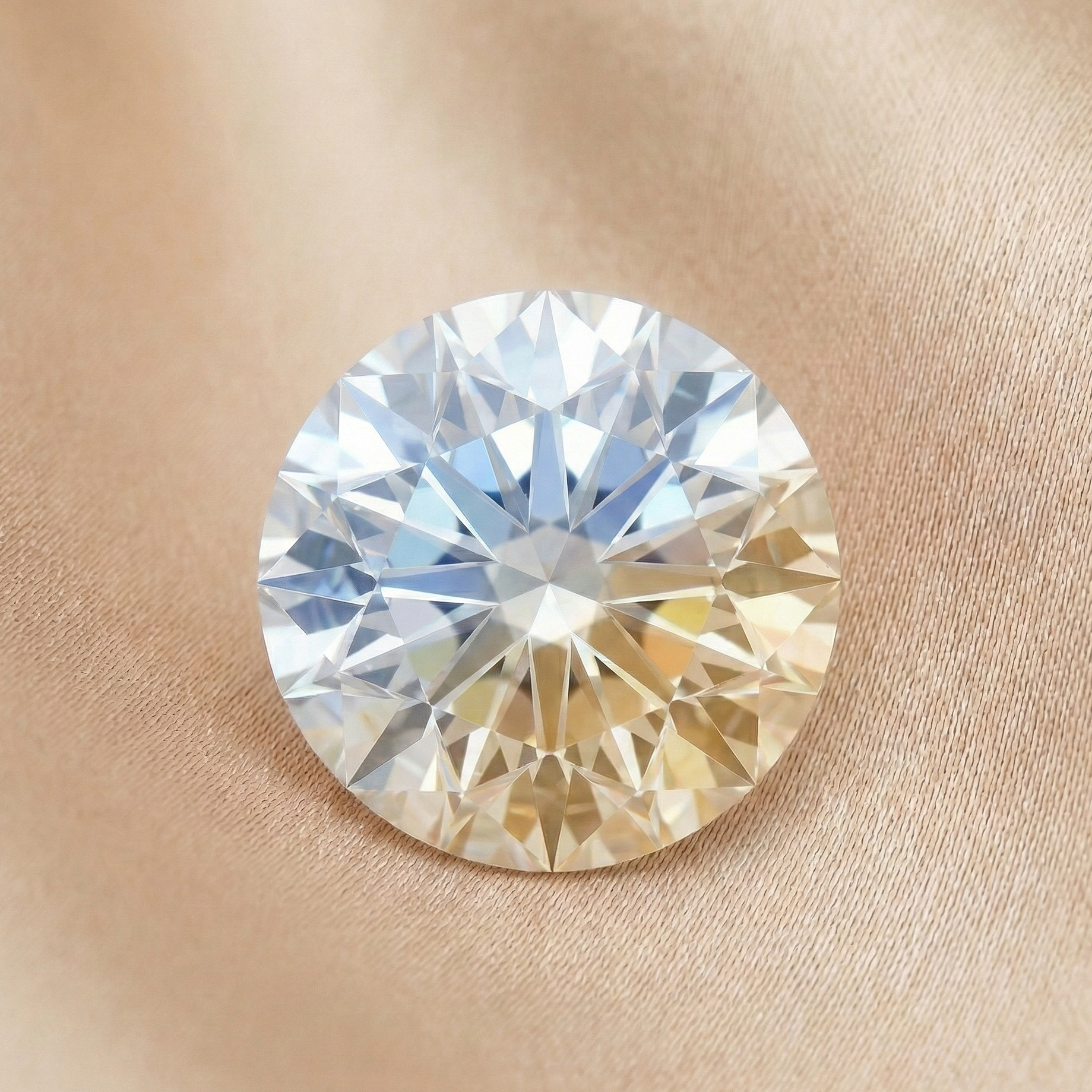
Colour
Ranges from icy white to warm tones. Near-colourless diamonds offer excellent value.
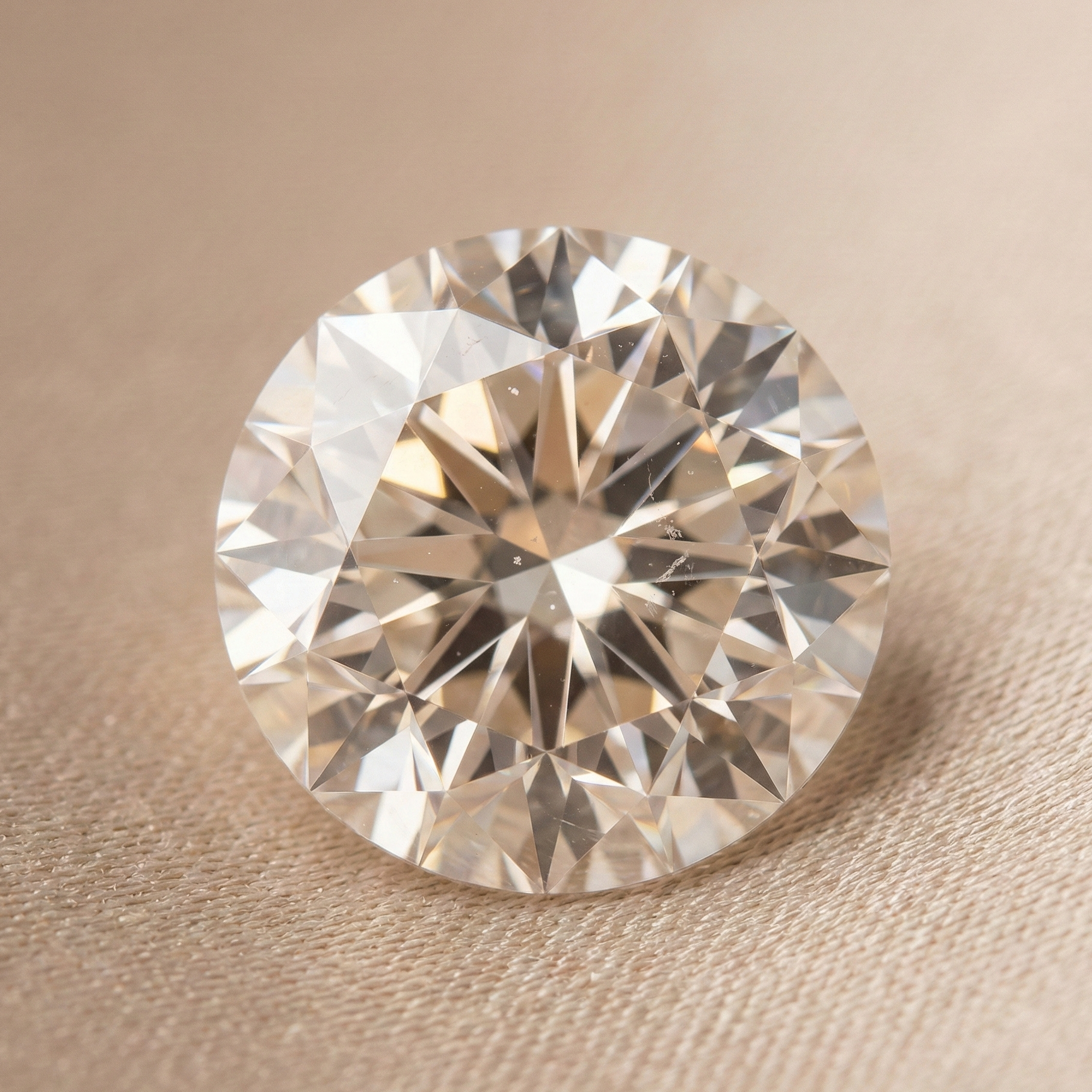
Clarity
Refers to inclusions inside the diamond. Many SI and VS stones appear perfectly eye-clean.

Carat
Measures weight, not just size. Cut quality can make a diamond look larger than its carat.
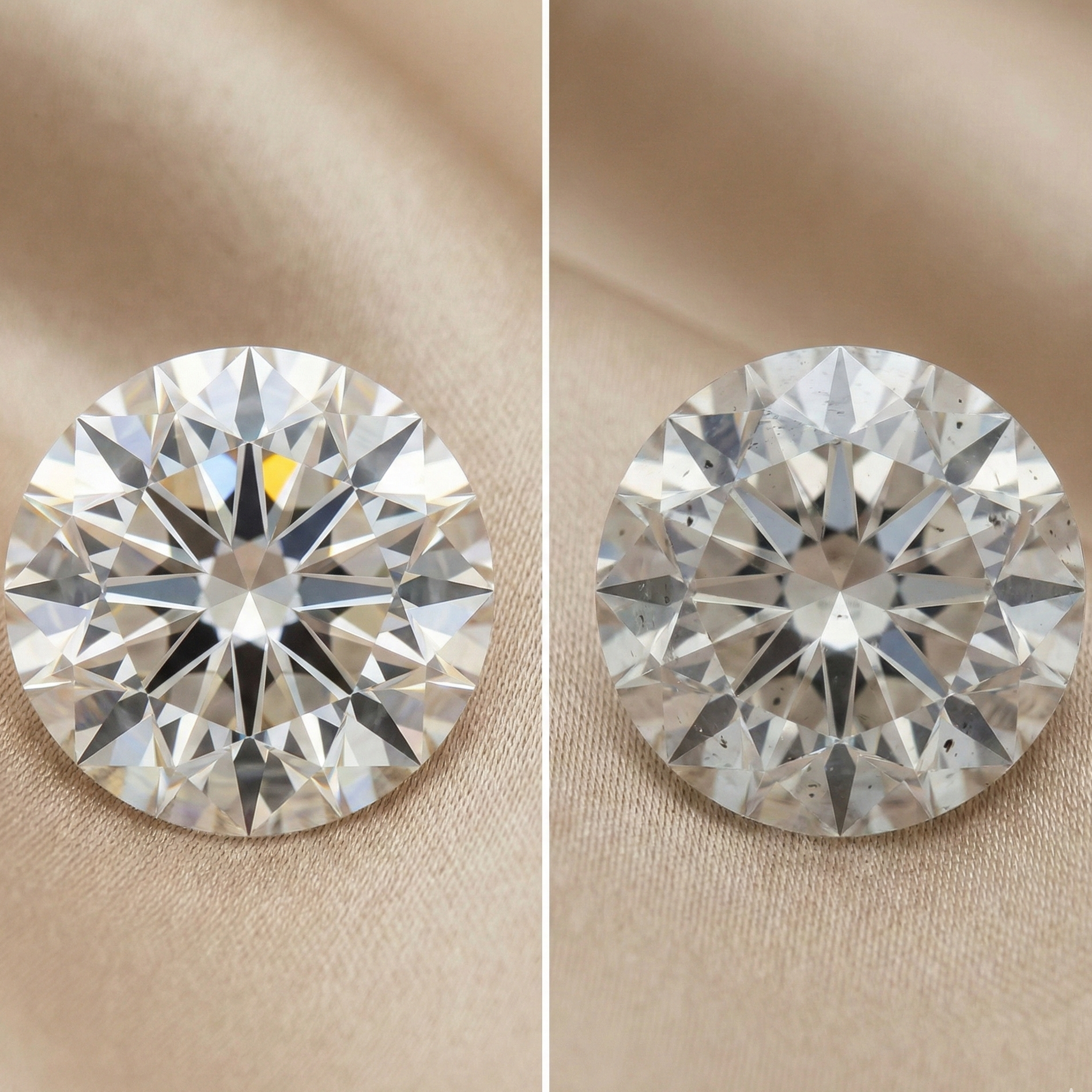
The most important ‘C’, responsible for sparkle and light performance.
Cut — The Diamond’s Brilliance
A well-cut diamond reflects light in a way that creates intense sparkle and fire. Poor cuts leak light, appearing dull even with high colour or clarity.
Key factors in cut:
- Table %, depth %, pavilion angle
- Crown height
- Symmetry & polish
- Light leakage vs light return
Cut
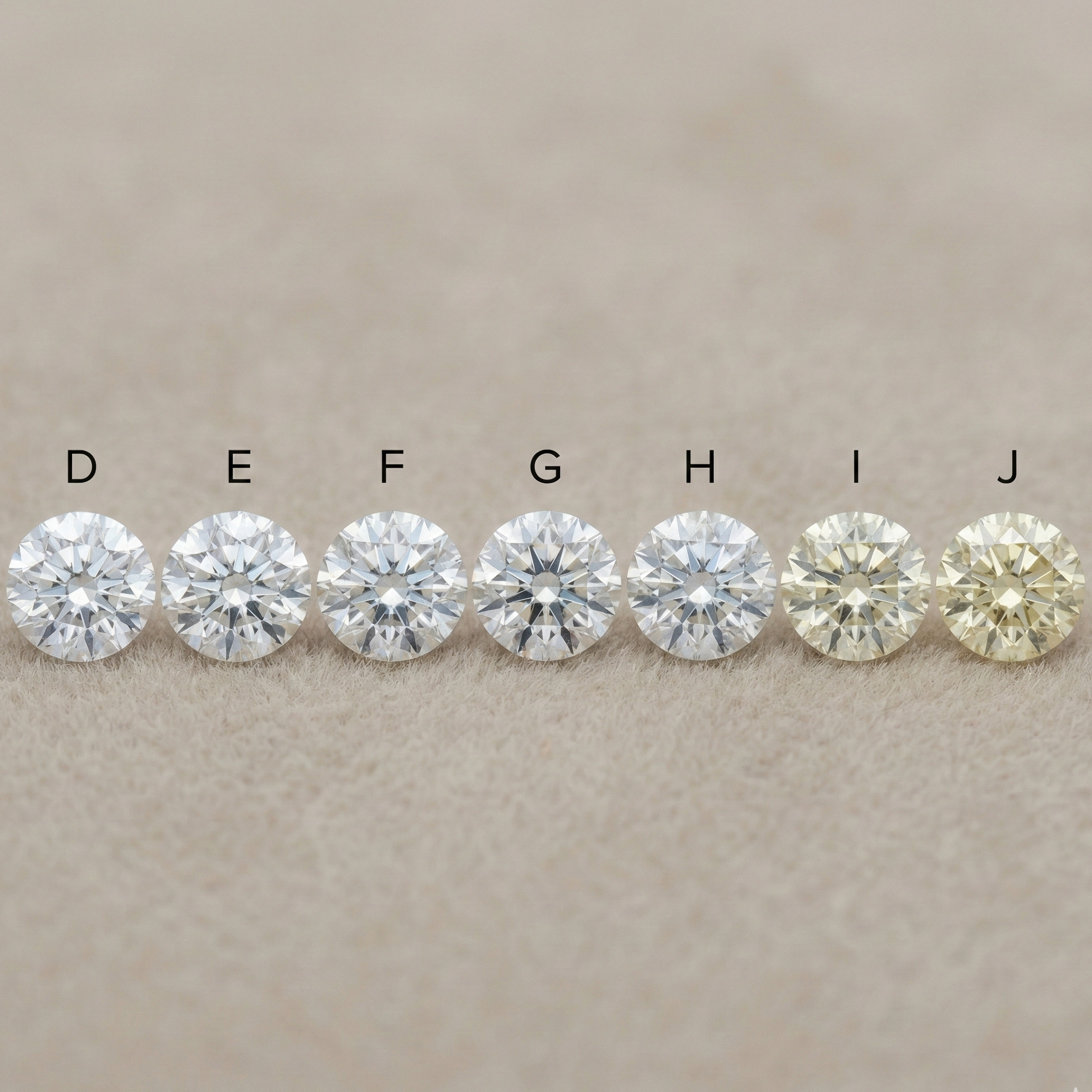
Higher colour = icier white tones.
Colour — The Diamond’s Tone
Diamond colour is graded from D (colourless) to Z (yellow/brown tint). The sweet spot for value and beauty is typically F–H — near-colourless and beautiful in all settings.
Colour
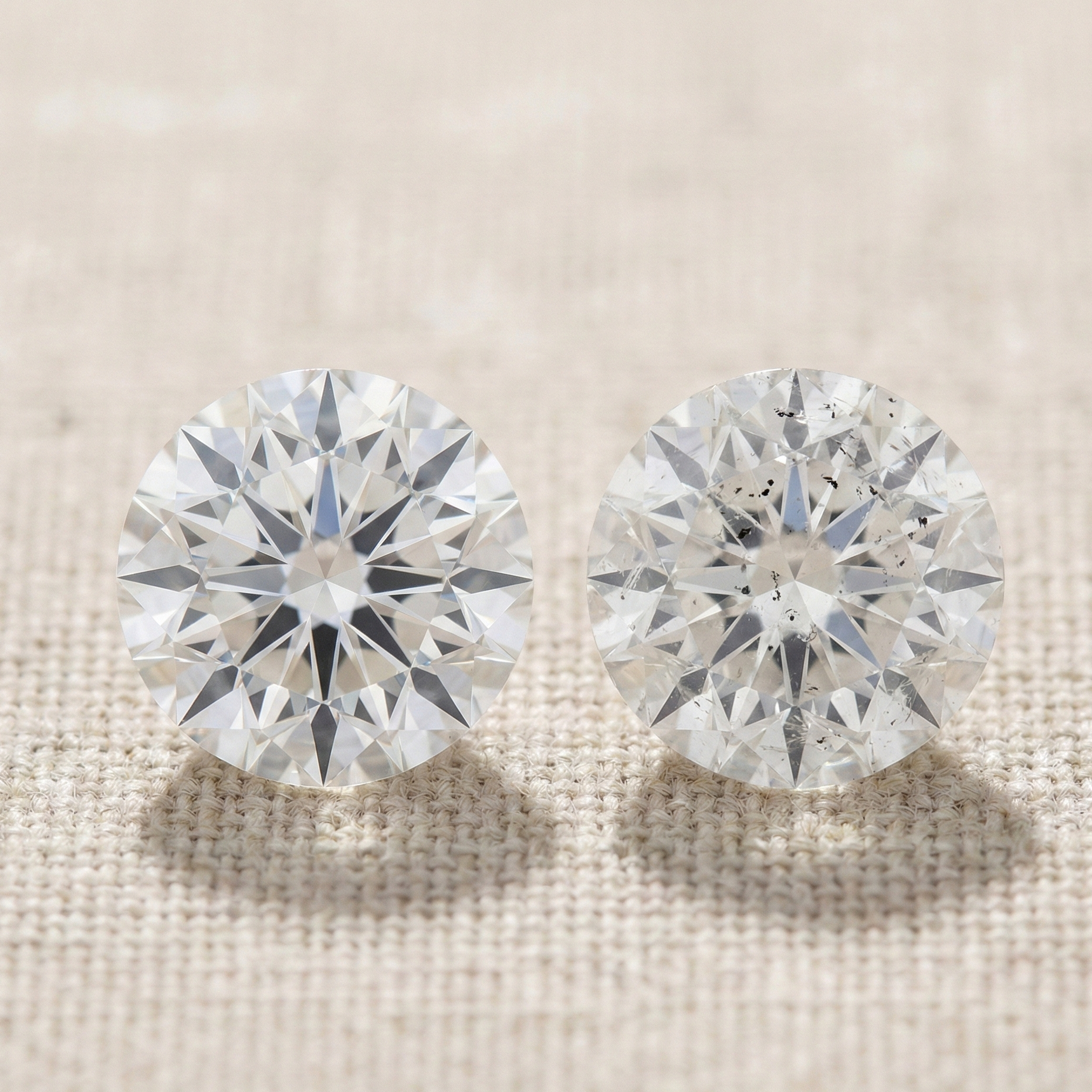
Most inclusions are microscopic, not visible to the naked eye.
Clarity — What You Can and Can’t See
Clarity ranges from Flawless to Included. The goal is to choose an eye-clean diamond — one where inclusions are invisible at normal viewing distance.
Clarity
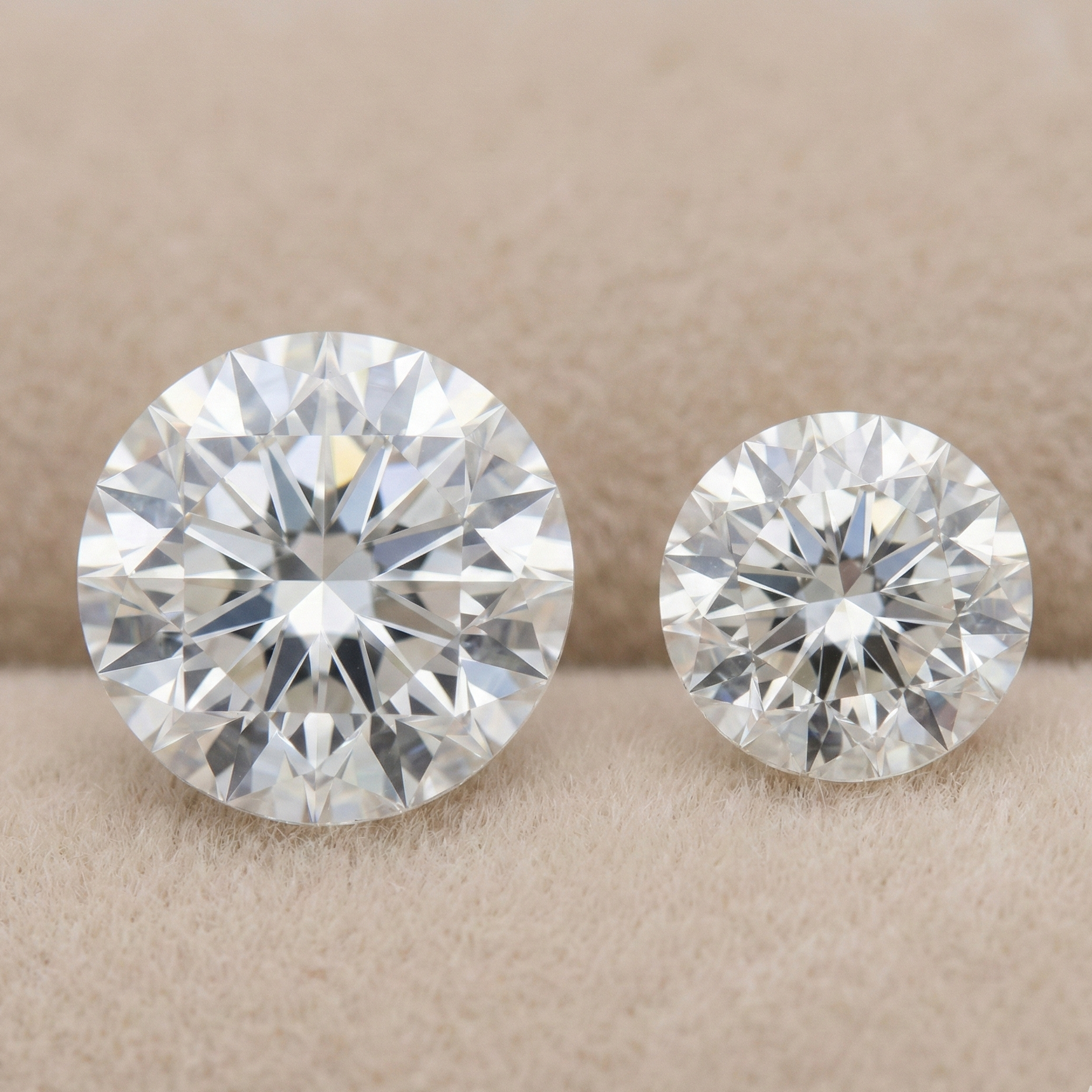
A well-cut diamond can look bigger than its carat weight.
Carat — Size vs Spread
Carat refers to weight, not just face-up size. Two diamonds with the same carat may appear different depending on cut proportions and shape.
Carat
Diamond Guide
Popular Diamond Shapes
Shape affects how a diamond looks on the hand, how large it appears, and how it handles light. Here's what to know before you choose.
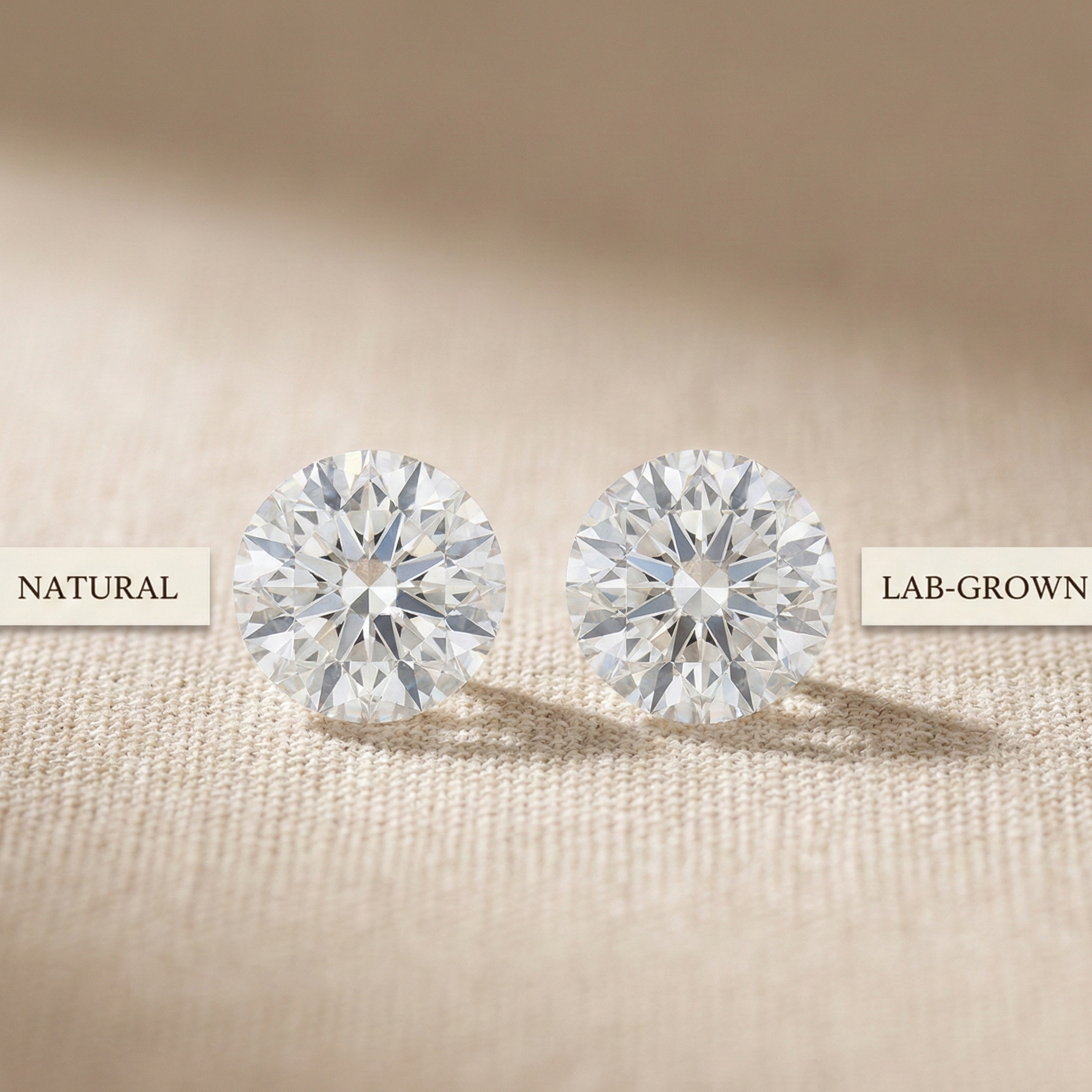
Identical in beauty — different in origin and price.
Lab-Grown vs Natural Diamonds
Both lab-grown and natural diamonds are real diamonds. Lab-grown diamonds offer exceptional value, often 50–70% more affordable at the same specifications.
Beyond the 4Cs
Cut, colour, clarity, and carat explain a diamond on paper. These four factors explain how it actually looks.
Around 30% of diamonds glow faintly under UV light. In most everyday settings — including daylight — fluorescence is completely invisible. Medium fluorescence in near-colourless stones (G–H colour) can actually make them appear slightly whiter, which is why these stones often offer better value. Strong fluorescence is the only grade worth checking individually — in a small number of stones it can create a milky or hazy appearance. A lab report grade tells you the degree; it doesn't tell you how a specific stone looks. We inspect each diamond visually before recommending it.
Symmetry describes how precisely each facet is placed — whether they meet at exact points, mirror each other correctly, and form a consistent pattern across the stone. When symmetry is poor, light entering the diamond strikes misaligned surfaces and returns unevenly. The result is a stone that looks slightly dull or off-balance, even if the cut grade on paper appears strong. For round brilliants, Excellent or Very Good symmetry is the baseline we work to. For fancy shapes — ovals, pears, cushions — symmetry also determines whether the stone looks balanced face-up or lists to one side.
Polish refers to the smoothness of each facet's surface — the final quality of the cut after grinding. Microscopic surface marks left by the polishing wheel scatter light before it even enters the diamond, reducing the overall brightness of the stone in ways that don't always show under a loupe but are visible in the stone's live glow. A well-polished diamond reflects light cleanly off every surface. A poorly polished one looks slightly flat or lifeless by comparison, regardless of what its colour or clarity grade says. Polish is one of the easiest factors to get right — and one of the first things we check.
A diamond certificate is an independent verification of every quality grade assigned to your stone — colour, clarity, cut, carat, fluorescence, symmetry, and polish. Without one, you're relying entirely on the seller's word. GIA (Gemological Institute of America) is the global benchmark for natural diamonds — the strictest and most consistent grader, which is why GIA-certified stones carry a premium the market agrees on. IGI (International Gemological Institute) is widely trusted for lab-grown diamonds and has become increasingly rigorous. GCAL (Gem Certification & Assurance Lab) is a high-standard American lab known for detailed light performance reports. We always work with certified stones — it protects you, and it gives you an accurate record if the diamond ever needs to be re-evaluated.
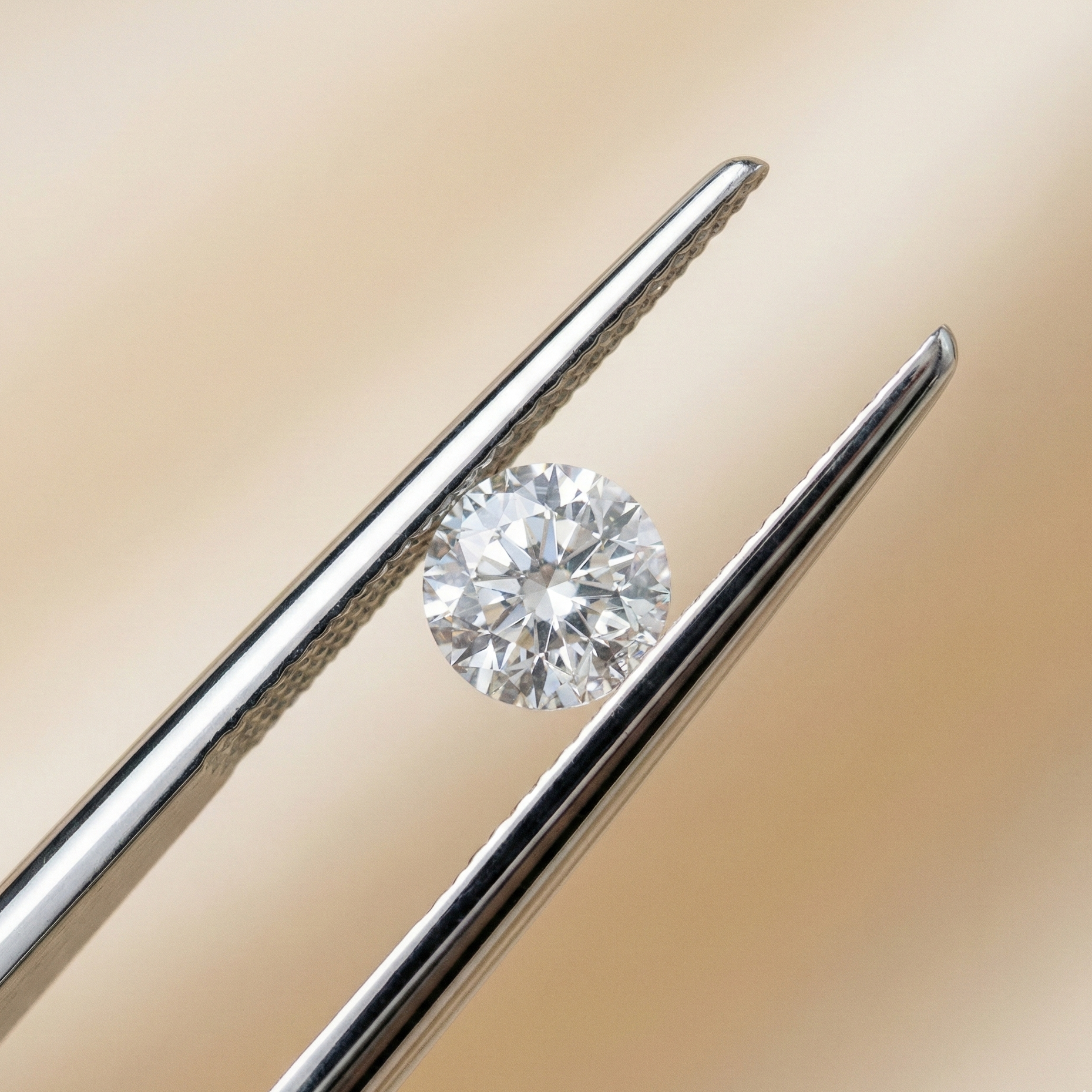
How Diamond Ateliers selects diamonds for maximum brilliance.
The DA Light Standard
We inspect thousands of stones and select only those with exceptional light performance. Our criteria prioritise sparkle, symmetry, balance, and face-up beauty — not just lab report metrics.
How to Choose the Right Diamond
The best strategy depends on whether you're going lab-grown or natural. Here's what to prioritise — and why.
Lab-grown diamonds are 50–70% less expensive at the same grade. Use that budget to maximise every specification — there's no reason to compromise.
Spend on cut and light performance — not paperwork perfection. A VS2 that's eye-clean performs identically to a VVS1 in real life, at a fraction of the cost.
Need help?
Diamond FAQs
all about diamonds
Strong fluorescence can cause a milky appearance in some stones; medium fluorescence is usually fine or even beneficial.
Yes. A lab-grown diamond is chemically, physically, and optically identical to a mined diamond. The same carbon structure, the same hardness, the same light performance. A gemologist cannot tell them apart without specialist equipment, and neither can your partner.
The only difference is origin — lab-grown diamonds are created in controlled conditions over weeks rather than billions of years underground.
The practical difference is price. Lab-grown diamonds typically cost 50–70% less than natural equivalents at the same grade. That means a larger stone, a higher colour grade, or a more complex setting — at the same budget. The trade-off is that lab-grown diamonds have little to no resale value, while natural diamonds hold some.
We work with both and have no agenda either way. At your consultation, we'll lay out the numbers honestly and let you decide.
Eye-clean means no inclusions are visible to the naked eye at normal viewing distance — typically 20–30cm, how you'd look at a ring on someone's hand.
For round brilliant cuts, most VS1, VS2, and SI1 stones are eye-clean. The brilliant faceting pattern scatters light and hides inclusions effectively. Some SI2 stones can also be eye-clean, but this needs to be verified stone by stone — the grade alone doesn't guarantee it.
For step cuts (emerald, Asscher), aim for VS2 and above. The large, open facets act like a window — inclusions that a round brilliant would hide are far more visible in a step cut.
We check every diamond visually before recommending it. If an SI1 passes our inspection, we'll tell you it's eye-clean — and why.
Cut is the most important of the 4Cs — it determines how much light your diamond returns and how alive it looks. A well-cut diamond in a lower colour or clarity grade will almost always outshine a poorly-cut stone with better grades on paper.
For round brilliant diamonds, aim for Excellent (GIA) or Ideal (AGS). For fancy shapes — oval, pear, cushion, emerald — there is no official cut grade, so you need to assess proportions manually: table %, depth %, length-to-width ratio, and how the stone looks face-up in natural light.
Never compromise on cut to get a bigger carat or a cleaner clarity grade. The difference between an Excellent and a Very Good cut is visible to the naked eye. The difference between VS1 and SI1 usually isn't.
All three are reputable grading laboratories, but they grade to different standards and are priced differently in the market.
GIA (Gemological Institute of America) is the global gold standard — the strictest and most consistent grader. Natural diamonds with GIA certificates command a premium because the market trusts the grade.
IGI (International Gemological Institute) is widely used for lab-grown diamonds and has become increasingly consistent in recent years. IGI-certified lab-grown stones are accepted and trusted in the industry.
GCAL (Gem Certification & Assurance Lab) is a high-standard American laboratory known for its light performance reports. Less common than GIA or IGI, but well-regarded among specialists.
Our recommendation: for natural diamonds, GIA. For lab-grown, IGI or GIA are both fine. The certificate matters because it protects you — an independently verified grade means you know exactly what you're buying.
No — and this is one of the most important things to understand before you shop.
Carat is a measure of weight, not size. Two diamonds with the same carat can look noticeably different in diameter depending on how they're cut. A deeply-cut diamond carries more weight in its base, where you can't see it; a well-proportioned diamond spreads that weight across its face, where it matters.
Shape also affects perceived size significantly. Oval, pear, and marquise diamonds have a larger surface area than rounds at the same carat weight — they appear larger on the hand. A 1.0ct oval typically looks closer to a 1.2ct round.
The practical implication: a 0.9ct Excellent-cut round diamond will often look larger — and cost less — than a 1.0ct with poor proportions. Carat is one input, not the whole picture
Ready to design your ring?
The first conversation is free. Bring a reference, a budget, or just a date you're working toward — we'll take it from there.
Book a Consultation In-person · The Centrepoint, Orchard Road · No obligation