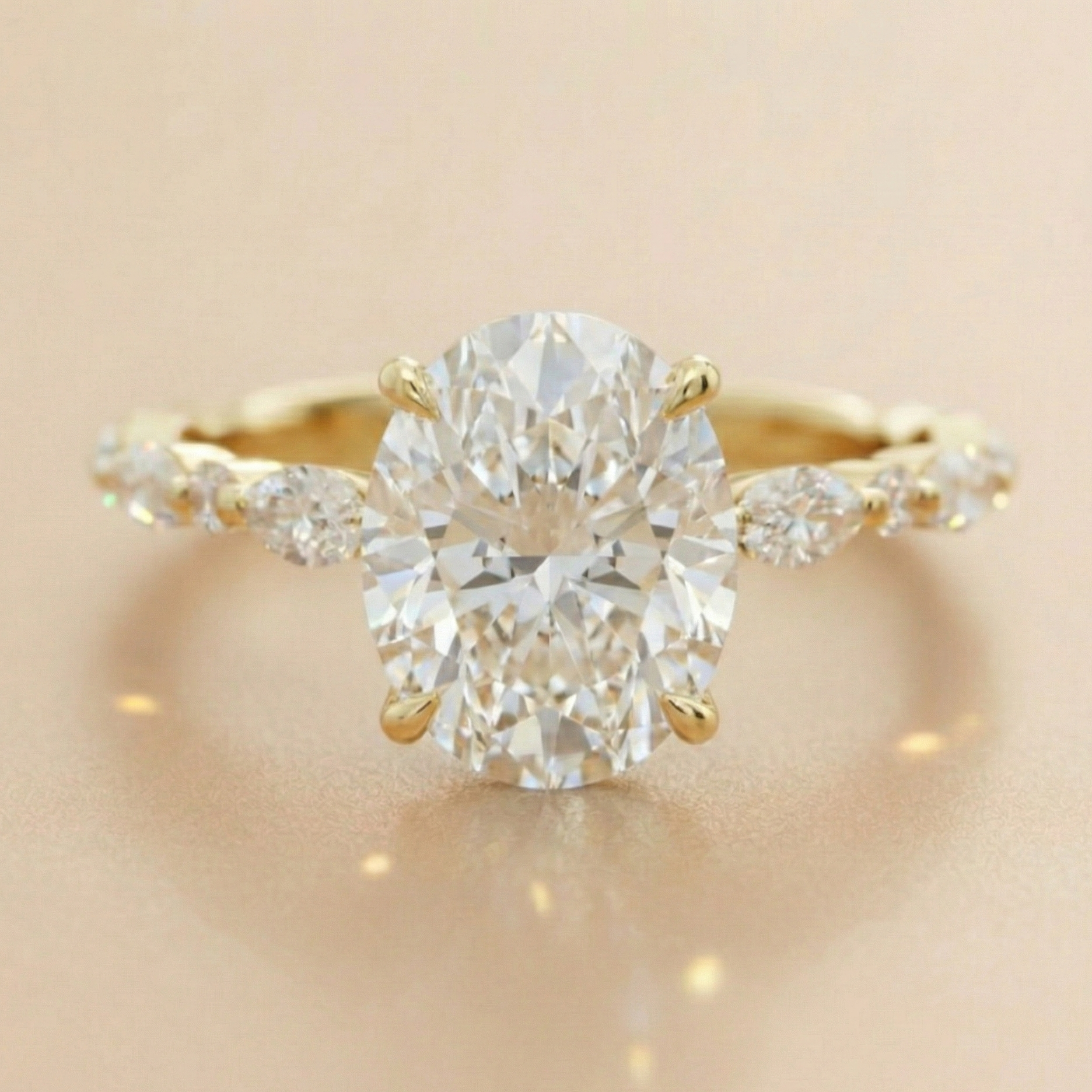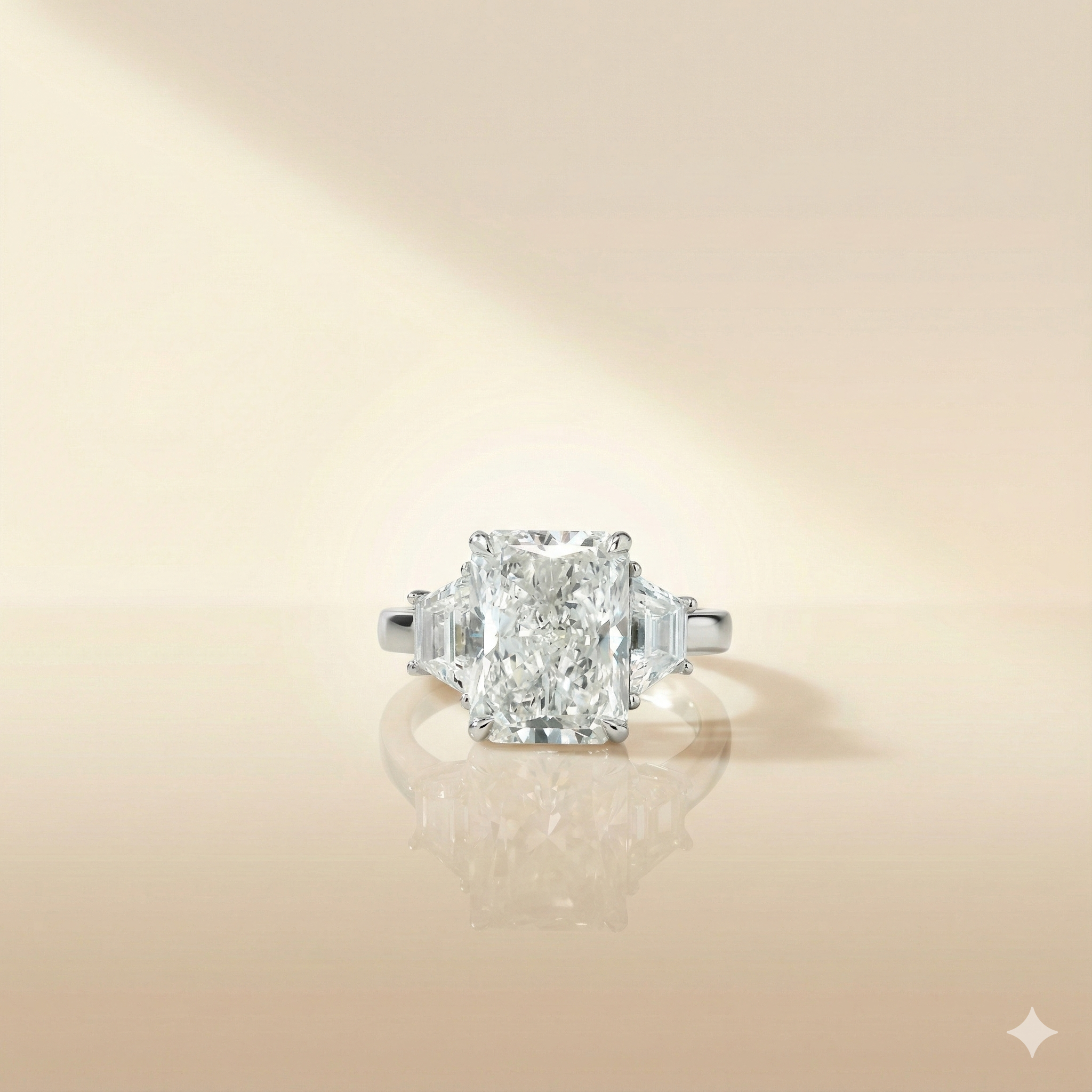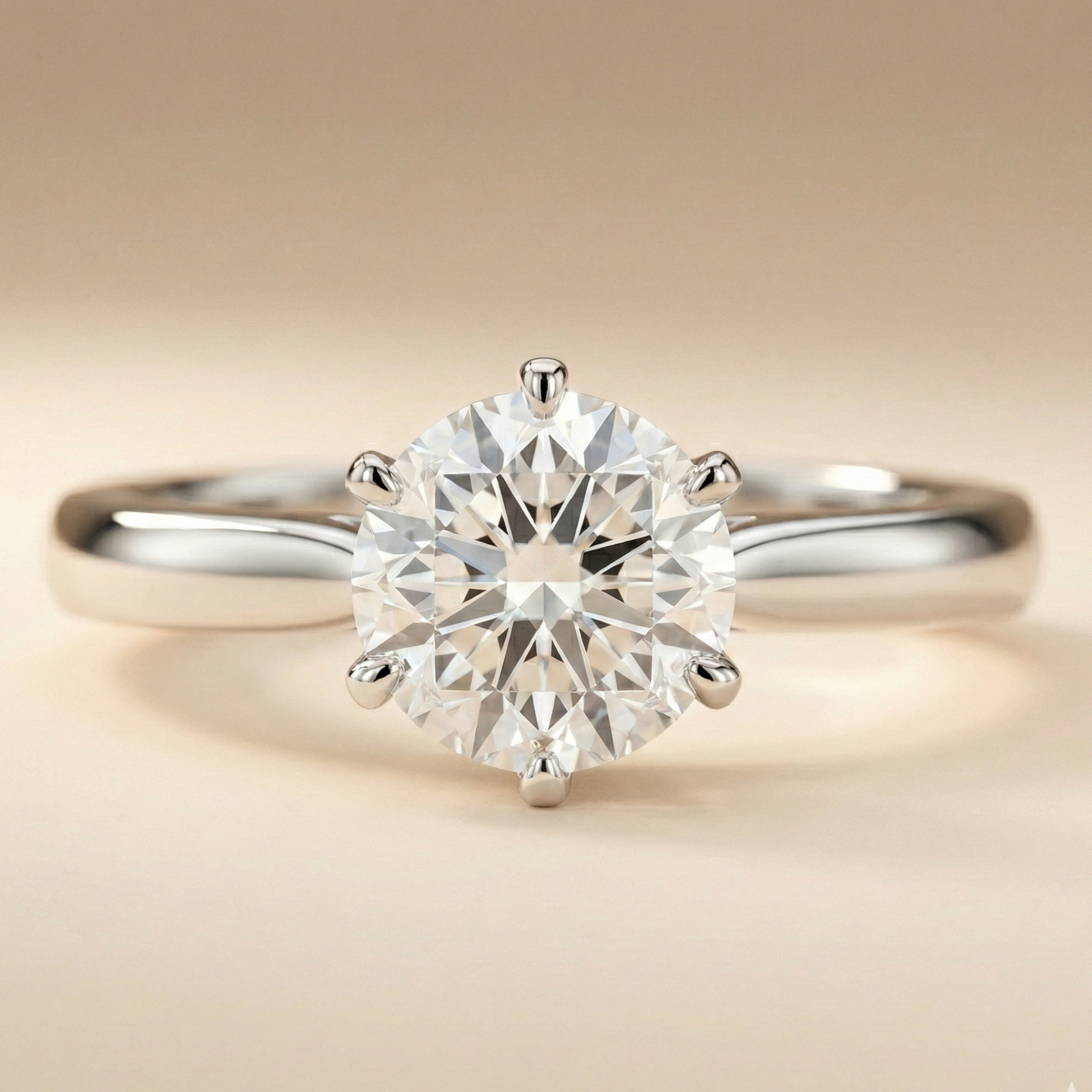
Natural Diamonds Aren’t “Better” — They’re Different. Here’s Why.
If you’ve started researching engagement rings, you’ve likely encountered a familiar claim: natural diamonds are “better” than lab grown diamonds. It’s usually stated as fact, rarely explained, and often tied to ideas of rarity, romance, or long-term value.
At Diamond Ateliers, we don’t frame diamond decisions in absolutes. Natural diamonds aren’t superior — and lab grown diamonds aren’t inferior. They are fundamentally different products, designed for different priorities, budgets, and buyer psychology.
Understanding that difference matters, especially in Singapore, where informed buyers increasingly value transparency, efficiency, and long-term wearability over inherited narratives. This guide breaks down what “better” actually means — and why it’s usually the wrong question to ask.
The Real Question Isn’t “Which Is Better?”
When people say “better,” they’re usually blending several ideas together:
- Price and perceived value
- Rarity and origin story
- Emotional or cultural meaning
- Long-term expectations
The problem is that none of these are universal. A diamond that feels meaningful to one buyer can feel unnecessary or illogical to another. Treating natural diamonds as objectively superior oversimplifies what is, at its core, a personal decision.
What Makes a Natural Diamond Different
Natural diamonds are formed over geological time, extracted from the earth, and constrained by supply. For some buyers, this origin story carries emotional weight — tradition, symbolism, and a sense of permanence.
That difference shows up in three main ways:
1. Scarcity-Based Pricing
Natural diamond pricing is shaped by mining output, distribution control, and long-standing market behaviour. You’re not just paying for physical properties, but for a stone’s position within a legacy system.
2. Cultural Inertia
For decades, natural diamonds were the only option. Many expectations around engagement rings were formed during that era, and those assumptions still influence how “value” is discussed today.
3. Emotional Continuity
Some clients value the idea that their diamond shares the same origin as previous generations’ jewellery. That sentiment is valid — but it’s emotional rather than technical.
What Lab Grown Diamonds Change
Lab grown diamonds don’t replicate the story — they change the equation.
Physically and optically, lab grown diamonds are diamonds. The difference is economic and philosophical: they remove geological scarcity from the pricing model.
Clarity, Size, and Design Freedom
Because lab grown diamonds cost less at equivalent quality, buyers gain flexibility. This often translates into:
- Higher clarity or colour at the same budget
- Larger centre stones without compromising cut
- More budget allocated to bespoke design and structural quality
This is why many Singapore clients who care about how a ring actually looks and wears gravitate toward lab grown options — not because they’re “cheaper,” but because they’re more efficient.
Why “Better” Is a Misleading Shortcut
Calling natural diamonds “better” assumes a single definition of value. In reality:
- If rarity matters most, natural diamonds may feel right.
- If visual impact per dollar matters, lab grown often wins.
- If design and wearability matter, the setting matters more than origin.
We often see buyers arrive convinced they want one option, only to change their minds once they understand how diamonds actually affect the final ring.
For a deeper breakdown, we encourage clients to read our full comparison guide:
Lab vs Natural Diamonds — A Practical Buyer’s Guide
Singapore Context: What Buyers Actually Optimise For
In Singapore, most engagement ring buyers are pragmatic. Budgets are real, expectations are high, and jewellery is worn daily — not stored in safes.
That’s why conversations here often shift quickly from ideology to outcomes:
- How does this ring look on the hand?
- Will it hold up to daily wear?
- Does the design justify the spend?
When those questions lead the discussion, the “natural vs lab” debate becomes secondary. Proportion, structure, and craftsmanship take centre stage — which is exactly where they should be.
Where Diamond Ateliers Fits Into This Conversation
We don’t push one option over the other. Our role is to clarify trade-offs, without sales pressure or inherited assumptions.
Whether a client chooses natural or lab grown, the outcome should be the same: a ring that looks intentional, feels balanced, and reflects informed decisions — not marketing narratives.
If you’re exploring a custom ring, our bespoke process prioritises structure, proportion, and long-term wearability first. Diamond origin comes later, once priorities are clear. Learn more here:
Bespoke Engagement Rings at Diamond Ateliers
Final Thought: Different Isn’t a Compromise
Natural diamonds aren’t better. Lab grown diamonds aren’t shortcuts. They are tools — each suited to different values and outcomes.
The best choice is the one that aligns with how you think, how you spend, and how you want the ring to feel ten years from now.
If you’d like an honest, pressure-free discussion about what makes sense for your budget and priorities, we’re always happy to guide you.
— Founder, Diamond Ateliers
Learn more about our approach
Blog Excerpt
Natural diamonds aren’t better than lab grown — they’re different. Learn how origin, pricing, and design priorities shape the right choice.
SEO Meta
Meta title: Natural Diamonds vs Lab Grown Diamonds: Why Neither Is “Better”
Meta description: Are natural diamonds really better? Understand the real differences between natural and lab grown diamonds from a practical Singapore buyer’s perspective.