Skip to content

Cart

Your cart is empty

Article: 4 vs 5 vs 6 Prongs: How to Choose the Right Setting for Your Engagement Ring

4 vs 5 vs 6 Prongs: How to Choose the Right Setting for Your Engagement Ring

4 vs 5 vs 6 Prongs: How to Choose the Right Setting for Your Engagement Ring

When most people start designing an engagement ring, they focus on the diamond first. Shape, size, clarity. Prongs usually come up later — often as a quick decision made in the final stages of the design process.

That’s a mistake, and not because prongs are technical or trendy. Prongs quietly determine how secure your diamond is, how large it appears, how often the ring needs maintenance, and how comfortable it feels over years of daily wear.

At Diamond Ateliers, we design 80–100 bespoke engagement rings every month for first-time buyers in Singapore. We see the same uncertainty repeatedly: “Should I go with 4, 5 or 6 prongs? Is one safer? Is one more modern?” This question almost always comes up alongside broader decisions about bespoke engagement ring design in Singapore.

This guide is not about pushing a preference. It’s about helping you understand what each option actually does — so you can make a calm, informed decision and stop worrying that you chose “wrong.”

What Are Prongs, in Simple Terms?

Prongs are the small metal claws that hold your diamond in place. Their job is simple: secure the stone while allowing light to enter from the sides and top.

The number of prongs affects three core factors:

  • Security — how well the diamond is protected if one prong loosens
  • Appearance — how open or defined the diamond looks
  • Wearability — how the ring feels in daily life

There is no universal “best” number. There is only what fits your diamond shape, lifestyle, and tolerance for maintenance. This is why prong choice should always be considered alongside your overall ring setting design, not in isolation.

4-Prong Settings: Open, Light, and Minimal

What it does well

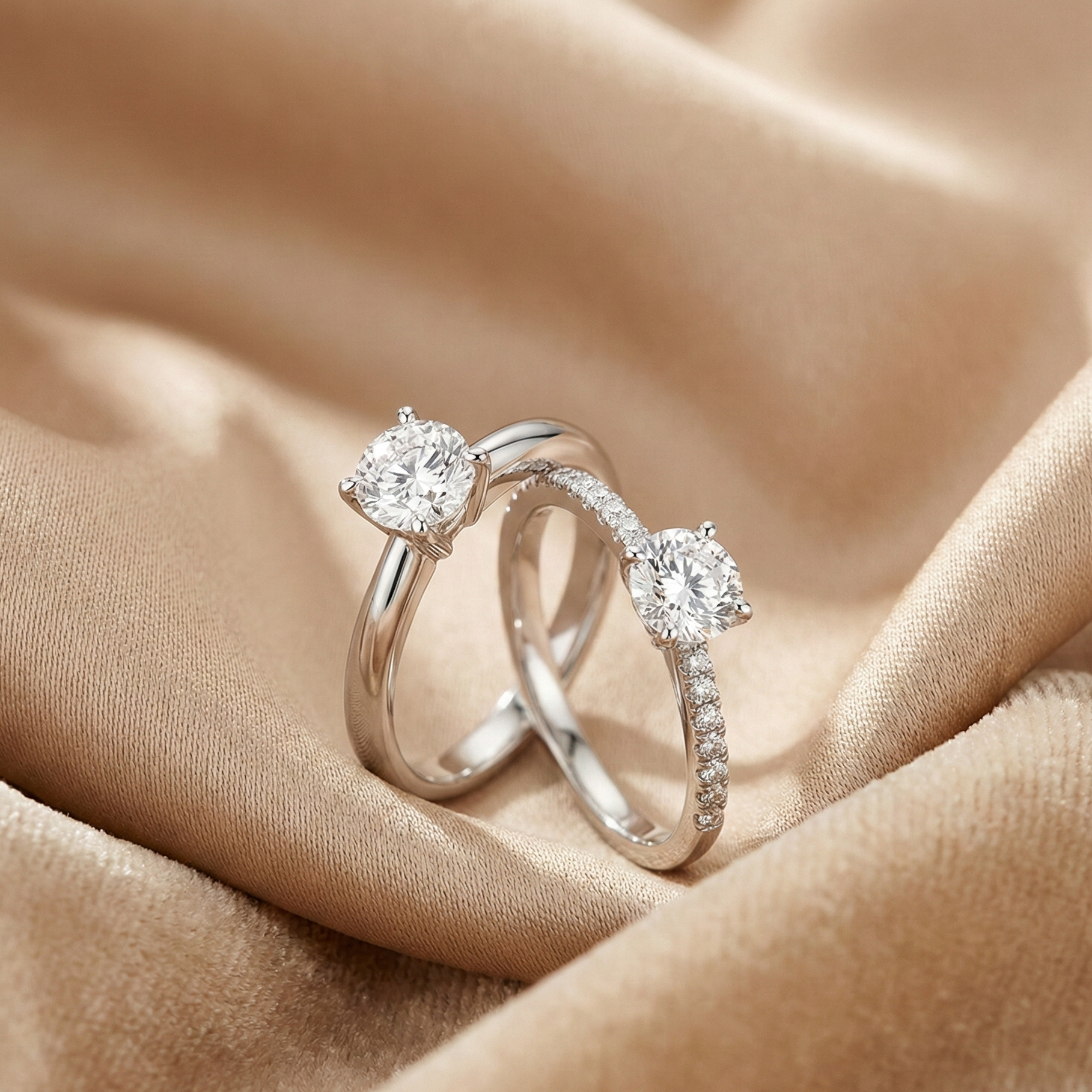
A 4-prong setting exposes more of the diamond. With fewer metal points, the stone often appears slightly larger and more open. This is especially popular with round and cushion-cut diamonds.

Many people are drawn to four prongs because the design feels clean and unobtrusive. Visually, the diamond takes centre stage — a look commonly associated with modern solitaire-style designs within bespoke engagement rings.

Real-world considerations

With only four points of contact, each prong carries more responsibility. If one prong is damaged or bent, the diamond is more vulnerable than it would be in a higher-prong setting.

This does not mean four prongs are unsafe — when engineered and finished properly, they are secure. However, they benefit from regular checks, particularly for clients choosing larger lab-grown diamonds, which we explain in more detail in our diamond guide.

Who 4 prongs are right for

  • Wearers who are careful with their jewellery
  • Those who prioritise a minimal, open look
  • Round diamonds with naturally balanced symmetry

Who should reconsider

  • Very active lifestyles or hands-on work
  • Those seeking the lowest-maintenance option

5-Prong Settings: Subtle Security with Asymmetry

Why 5 prongs exist

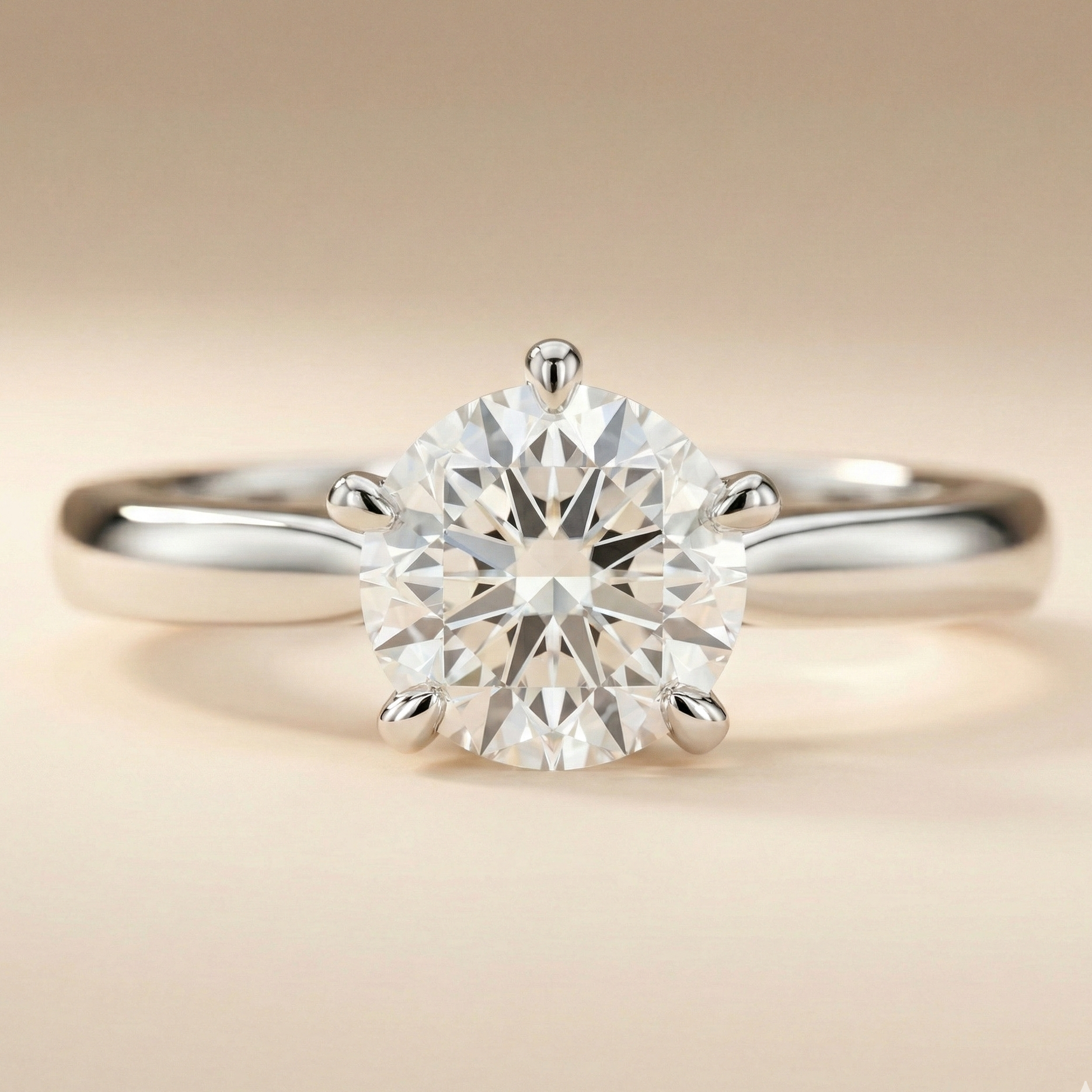
Five-prong settings are less common, which often leads people to assume they are incorrect or unconventional. In reality, they are usually chosen deliberately to address a specific structural or design need.

A fifth prong can reinforce a vulnerable area of a diamond, particularly with certain fancy shapes or unusual orientations. This choice typically appears in fully custom projects rather than standard designs, which is why we see it primarily in custom engagement rings.

What to know before choosing it

Five prongs introduce asymmetry. Some people never notice it; others cannot unsee it once pointed out. This response is entirely personal.

From a durability perspective, five prongs offer more security than four, without the visual weight of six.

Who 5 prongs are right for

  • Specific diamond shapes requiring targeted reinforcement
  • Buyers comfortable with subtle asymmetry
  • Custom designs where function guides form

Who should avoid it

  • Those who prefer strict visual symmetry
  • Traditional or classic design preferences

6-Prong Settings: Balanced, Secure, and Timeless

Why many designers favour 6 prongs

Six-prong settings distribute pressure evenly around the diamond. If one prong loosens, the remaining five continue to provide meaningful protection.

This is why many heirloom and long-term wear designs use six prongs — not because they are old-fashioned, but because they are dependable. Clients planning to wear their ring daily often lean toward this option after discussing long-term maintenance as part of the bespoke design consultation process.

How it affects appearance

Six prongs gently frame the diamond. While some worry this makes the stone look smaller, the difference is minimal in well-designed settings. What you gain instead is balance and visual intention.

Who 6 prongs are right for

  • Daily wearers who value peace of mind
  • Those prioritising durability and longevity
  • Round diamonds where symmetry enhances the shape

Who might not love it

  • Those wanting the lightest metal presence possible
  • Designs aiming for an ultra-minimal aesthetic

Common Misconceptions We See Every Week

“More prongs mean the ring looks bulky.”
Not necessarily. Prong thickness, spacing, and finishing matter far more than the number.

“Four prongs are unsafe.”
They are safe when properly engineered — but they demand higher craftsmanship and routine checks.

“This is a purely aesthetic choice.”
It isn’t. Prongs directly affect maintenance, security, and long-term wear.

How We Help Clients Decide at Diamond Ateliers

We never start with a default. We consider:

  • Diamond shape and proportions
  • Finger size and hand movement
  • Lifestyle and daily habits
  • Comfort with long-term maintenance

Only then do we recommend a prong structure — often prototyping it in 3D so clients can see and feel the difference before committing. This approach is central to our bespoke ring design process.

A Calm Way to Think About This Decision

If you worry about making the wrong choice, here is the truth we share with our own clients:

There is no universally correct number of prongs. There is only the option that aligns with how you live and what gives you confidence when you look at your hand.

A ring should not create anxiety every time you wear it. The right prong setting is the one you stop thinking about — because it simply works.

Final Thoughts

Prongs are small, but they carry responsibility. Taking time to understand them is not overthinking — it is respecting the fact that this ring is meant to be worn, not just admired.

If you want guidance without pressure, our studio conversations are designed exactly for that: calm, clear, and grounded in real-world experience.

— Founder, Diamond Ateliers

Read more

White Gold vs Platinum Engagement Rings: What Singapore Couples Should Really Know

White Gold vs Platinum Engagement Rings: What Singapore Couples Should Really Know

Choosing between white gold and platinum engagement rings is a common dilemma for Singapore couples. This guide breaks down the real differences in maintenance, durability, and long-term wear so yo...

Read more
Prong Tips Explained: Heart vs Claw vs Round | Diamond Ateliers

Prong Tips Explained: Heart vs Claw vs Round | Diamond Ateliers

Once clients decide on the number of prongs, the next question often feels surprisingly difficult: heart-shaped prongs, claw prongs, or rounded tips? At a glance, prong tips seem like a purely aes...

Read more