Is 18K Always Better Than 14K? (Not Always.)
When couples in Singapore start designing a bespoke engagement ring, one of the most common assumptions we hear is: “18K must be better than 14K.” It sounds logical — higher gold content equals higher value, right? In reality, the answer is more nuanced. At Diamond Ateliers, we design and produce 80–100 bespoke rings each month, and we routinely recommend both 14K and 18K gold depending on lifestyle, design, and long-term wear expectations. The “best” gold purity isn’t universal — it’s contextual. In this guide, we’ll break down the real differences between 14K and 18K gold, explain when each makes sense for engagement rings in Singapore, and share how we advise clients based on durability, colour, and value.
What Does 14K and 18K Gold Actually Mean?
Gold purity is measured in karats (K), indicating how much pure gold is present out of 24 parts.
- 18K gold = 75% pure gold + 25% alloy metals
- 14K gold = 58.5% pure gold + 41.5% alloy metals
The remaining alloy metals (such as silver, copper, or palladium) directly affect hardness, colour, and wear resistance. This is why purity alone does not determine whether a ring is “better.”
Why 18K Is Often Seen as “Premium” in Singapore
In Singapore and much of Asia, 18K gold has long been associated with luxury. Its richer yellow tone and higher gold content make it especially popular for yellow gold engagement rings.
Advantages of 18K gold include:
- Richer, warmer gold colour
- Higher intrinsic gold value
- Softer metal that allows smoother hand-finishing
That said, “premium” does not automatically mean “better for daily wear.”
When 18K Can Be the Wrong Choice
Because 18K contains more pure gold, it is inherently softer. Over years of daily wear, this softness becomes a structural issue rather than an abstract concern.
We often advise against 18K when:
- The design uses very thin bands
- The setting relies on micro pavé or fine claw prongs
- The wearer has an active lifestyle or works frequently with their hands
In these scenarios, 18K can bend more easily, wear down faster, and compromise prong security over time — especially in white gold settings.
Why 14K Gold Is Often the Smarter Option
14K gold contains a higher proportion of alloy metals, making it significantly harder and more durable than 18K. This increased strength is why many structurally demanding engagement ring designs perform better in 14K.
Key advantages of 14K gold:
- Greater resistance to bending and deformation
- Stronger prongs for long-term diamond security
- Excellent durability for everyday wear
- Lower material cost with no obvious visual compromise
For white gold engagement rings in particular, we frequently recommend 14K because it maintains shape and prong integrity better over decades of wear.
Colour Differences: Will You Actually See Them?
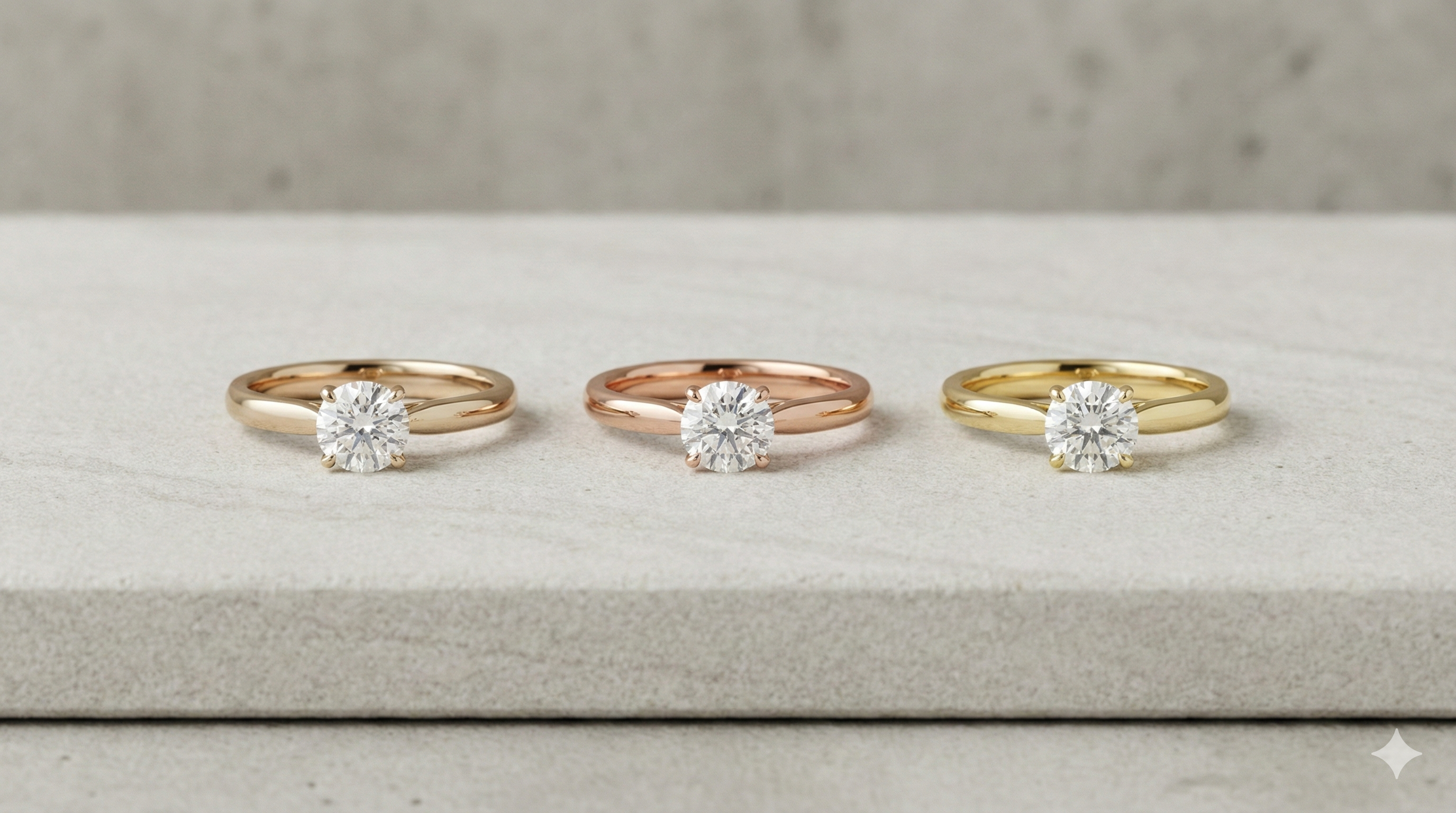
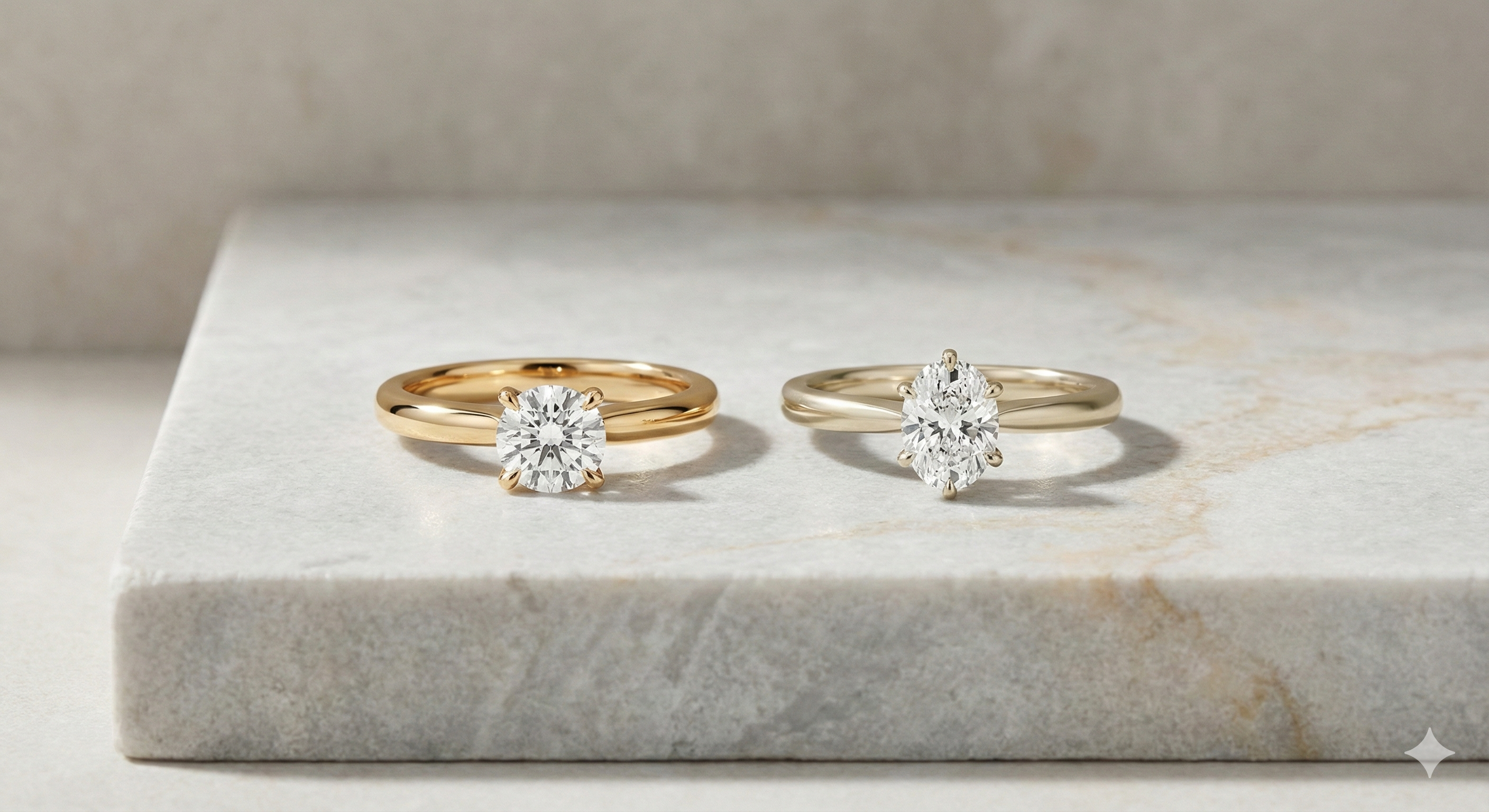
For yellow gold, the difference is visible when compared side-by-side: 18K appears warmer and richer, while 14K is slightly lighter. For white gold, however, the difference is negligible. Both 14K and 18K white gold are rhodium plated, meaning they look virtually identical in real-world wear.
Most people cannot tell the difference between 14K and 18K once the ring is on the finger.
Price Differences in Singapore
In Singapore, 18K gold typically costs around 10–20% more than 14K for the same engagement ring design. In bespoke rings, this price difference often delivers better value when redirected toward:
- A higher-quality lab grown diamond
- Better cut precision
- Refined custom design details
This is why many Diamond Ateliers clients ultimately choose 14K — not because it’s cheaper, but because it performs better long term.
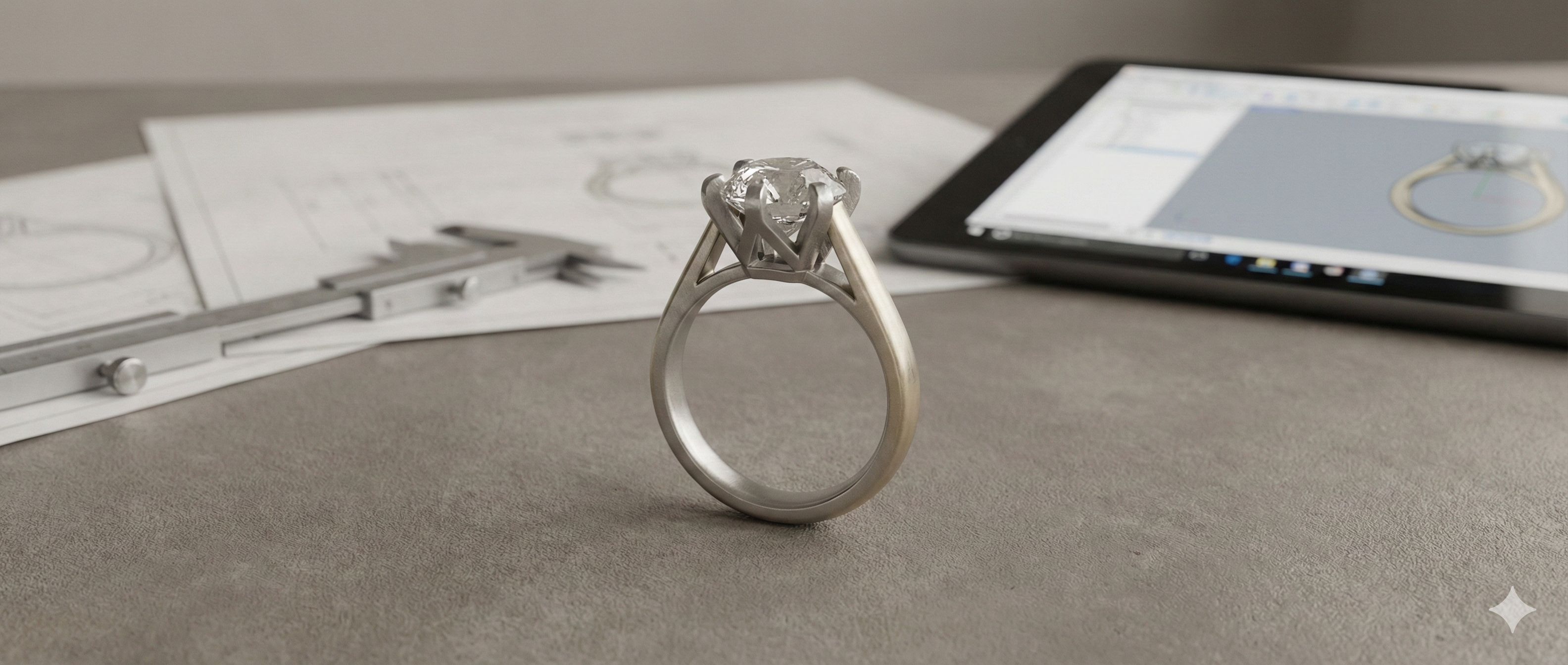
How We Decide at Diamond Ateliers
We never default to a single gold purity. Instead, we evaluate:
- The ring’s structural design
- Band thickness and setting style
- Daily wear expectations
- Whether the ring is yellow, white, or rose gold
For some yellow gold designs, 18K is absolutely the right choice. For many modern engagement rings, especially white gold solitaires and pavé settings, 14K is objectively the better engineering decision.
So — Is 18K Always Better Than 14K?
No. 18K is richer in gold content, but 14K is often stronger, more durable, and better suited for everyday engagement rings. The “best” option depends on how the ring is designed and how it will be worn — not on karat numbers alone.
Book a Design Consultation
If you’re deciding between 14K and 18K for your engagement ring, we’ll guide you through the decision based on your lifestyle, design preferences, and long-term durability — not sales shortcuts. Book a private design consultation at our Singapore studio and see both options in person.
Diamond Ateliers
Bespoke Engagement Rings, Singapore
Designed in-house. Built to last.